5505 N. Clark Street Chicago, IL 60640



Veneers and Gum Health: A Guide to Avoiding Gum Problems Post-Placement

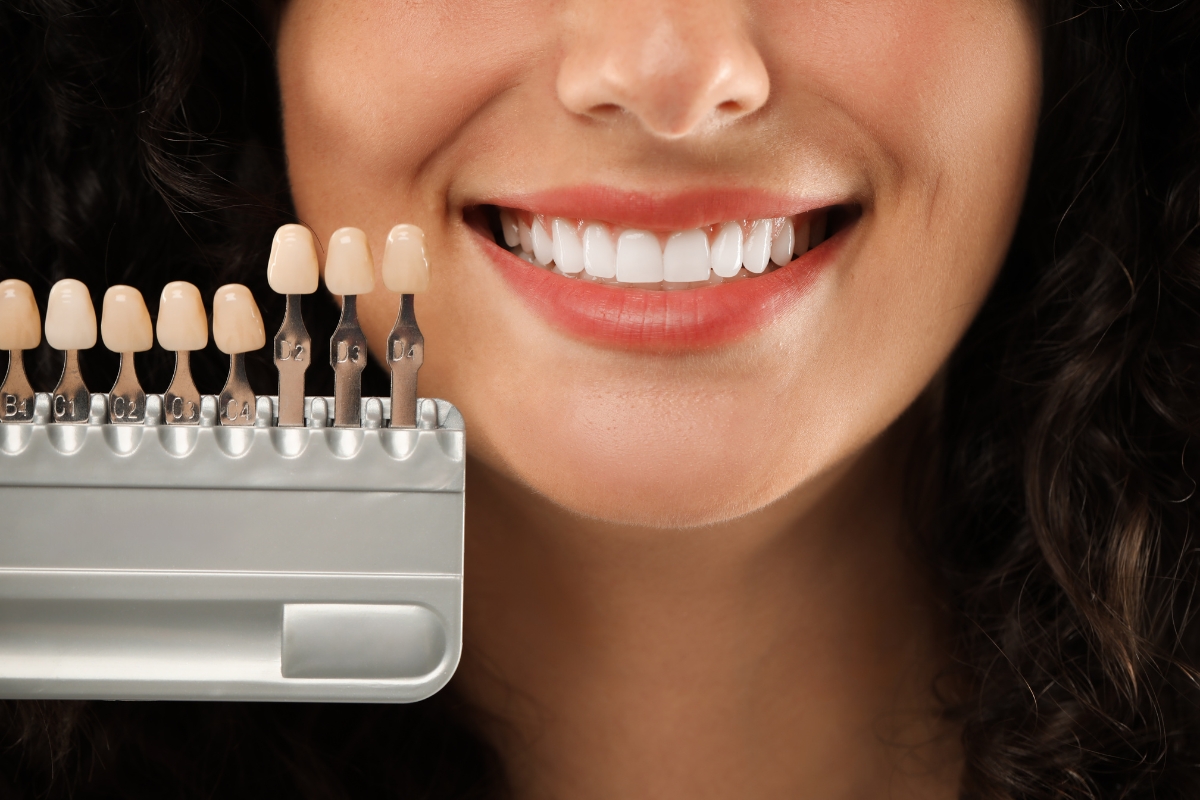
Veneers are a popular choice for people seeking to improve their smile. These are thin, custom-made shells of either porcelain or composite material that cover the front surface of your teeth. They are often used to correct common cosmetic flaws like stains, chips, or gaps. When designed by an excellent cosmetic dentist, veneers can offer long-term solutions to improve the appearance of one’s smile and boost his or her confidence. Veneers are a wonderful cosmetic solution, but proper care is essential, especially for gum health.
Gum health significantly affects the overall veneer outcome. If not treated properly, there is a risk of developing gum disease, which could shorten the lifespan of your veneers. This blog will walk you through how to avoid gum problems after veneer placement. You will learn what to do both before and after the procedure to maintain healthy gums and ensure your veneers last for many years.
Step-by-Step Veneers Process
There are 2 main types of veneers: porcelain and composite. Porcelain veneers are by far the most popular; they are quite strong and durable and look much like natural teeth. Composite veneers are a quicker alternative; however, they are thought not to be as long-lasting as porcelain.
Here is a breakdown of the key steps involved in getting the best veneers in Chicago, Illinois:
- Initial Consultation: On this first visit, your cosmetic dentist will assess your teeth and discuss your desired outcome. X-rays and impressions may be taken to better understand your teeth and determine the appropriate veneer solution.
- Preparing Your Teeth: Your dentist will prepare your teeth for veneers by removing a small amount of enamel from the tooth surfaces. This provides a secure bond between the veneer and your natural tooth.
- Creating Your Veneers: Once your teeth have been prepared, your dentist will take impressions of your mouth to create custom veneers that match the size and shape of your natural teeth. This usually takes a few days.
- Temporary Veneers: During the fabrication of your custom veneers, you may be fitted with temporary veneers to protect your teeth and maintain your smile.
- Placement of the Veneers: Once your veneers are fabricated, you will return to the dentist’s office for final placement. The dentist will carefully examine the fit and make any necessary adjustments for comfort and appearance.
The veneers are then bonded securely onto your teeth with a strong adhesive. Your dentist will check the alignment and make sure the veneers look natural. Any final adjustments will be made before the procedure is complete.
Common Gum Issues Following Veneer Placement
While veneers are long-lasting and effective cosmetic solutions, several common gum issues may arise after their placement. These issues include:
- Gum Recession: Gum recession may occur when your gums pull away from the teeth and expose the edges of the veneers. This can lead to sensitivity and a higher risk of infection.
- Gingivitis: Gingivitis, or inflammation of the gums, can result from built-up plaque on your gums. It is usually reversible with good oral hygiene.
- Peri-implantitis: In rare cases, when a dental implant is combined with veneers, there’s a risk of peri-implantitis, an infection around the implant. Such conditions can be avoided with proper care.
Maintaining Healthy Gums After Veneer Placement
Once veneers are placed, good oral hygiene is essential to prevent gum problems. Gum problems may develop from the accumulation of plaque and bacteria around the gumline, which needs to be controlled, especially after veneers have been applied. The buildup of plaque can cause inflammation and irritation, leading to diseases that could shorten the lifespan of your veneers.
Here are some simple steps that can be followed to protect the gums after placement of veneers:
- Regular Brushing and Flossing: Gently brush the teeth using a soft-bristled toothbrush, taking care around the veneers’ margins. It is also essential to floss daily, as food particles and plaque can become trapped between the teeth and the veneers.
- Regular Visits to Your Dentist: Regular dental check-ups will help you detect gum problems in their earliest stages. Your cosmetic dentist will also make sure your veneers remain intact and check for any signs of gum irritation or infection.
- Avoid Hard or Sticky Foods: Some foods can damage your veneers and irritate your gums. One should avoid hard candies, sticky snacks, and chewing ice, as these may damage the veneers and the gums.
- Hydrate: Water helps to rinse out food particles and bacteria that may build up around the gums. It will help maintain saliva in the mouth, which is very important to keep the gums healthy.
Prioritize Your Gum Health for Long-Lasting Veneers
Properly caring for your gums after your veneers are placed is essential to maintaining the beauty and health of your smile. With good oral hygiene practices and regular dental visits, you can prevent common gum problems and extend the life of your veneers.
Here at Lakeshore Dental Studio, our team will guide you through the veneers process and advise you on how to care for your gums after placement. We are committed to helping your smile stay as healthy and beautiful as possible. Contact us today to schedule an appointment and learn more about veneers. We are here to help you achieve the smile you’ve always dreamed of!
FAQs
1. How long do veneers last?
Veneers generally last between 10 and 15 years with proper care. Regular visits to the dentist for checkups and maintaining good oral hygiene can help extend their lifespan.
2. Can I eat normally with veneers?
Yes, after the initial adjustment period, you can eat normally with veneers. However, it’s best to avoid hard or sticky foods to prevent damage.
3. Are porcelain veneers better than composite veneers?
Porcelain veneers are more durable and stain-resistant than composite veneers, making them a better long-term option for most patients.
4. Will veneers cause gum recession?
If not properly cared for, veneers can contribute to gum recession, especially if plaque builds up around the edges. Regular brushing and flossing help prevent this.
5. Can veneers be replaced if damaged?
Yes, if a veneer gets damaged or chipped, it can be replaced. Your cosmetic dentist will help determine the best course of action.
6. Do veneers require special care?
Veneers don’t require special care beyond regular brushing, flossing, and checkups with your dentist. However, it’s important to avoid hard or sticky foods to protect them.