5505 N. Clark Street Chicago, IL 60640



Your Dental Crown Appointment: What Happens Step by Step

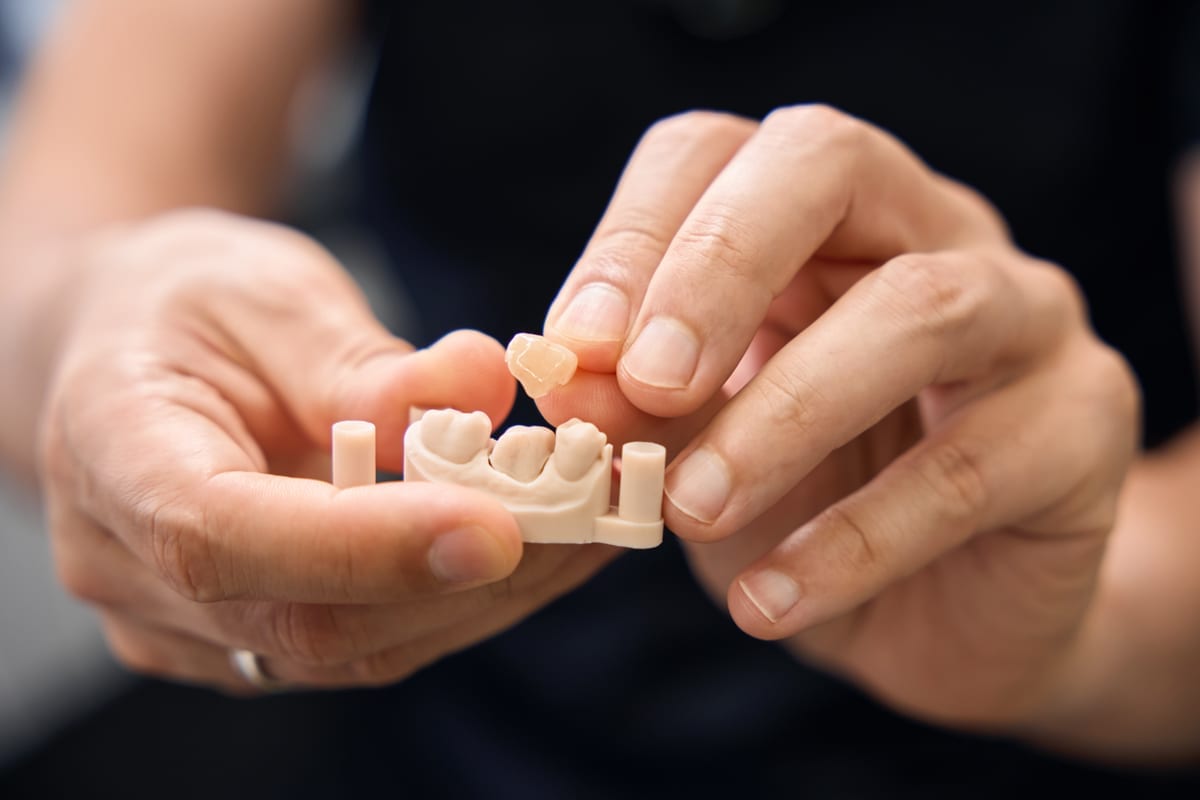
If you have an upcoming crown appointment, it is completely normal to feel nervous. Many Chicago patients tell Dr. Kapil Kella they dreaded the procedure — until they actually experienced it. Understanding your dental crown appointment step by step in Chicago can make a real difference. When you know exactly what to expect, the unknown becomes manageable. Let us walk through the entire process together, from the moment you sit in the chair to the day your final crown is placed.
Step 1: Getting Comfortable — Numbing and Preparation
Your appointment begins with comfort. Dr. Kella and the team at Lakeshore Dental Studio of Chicago prioritize making sure you feel at ease before any work begins. A topical anesthetic gel is applied to your gum first. This numbs the surface so you barely feel the local anesthetic injection that follows.
Once the local anesthetic takes effect, you will feel pressure but not pain. This is an important distinction. Many patients are surprised by how comfortable they feel during this phase. If you ever feel discomfort, you can raise your hand and the team will pause immediately.
For patients with dental anxiety, this step is especially important. Lakeshore Dental Studio offers sedation options that can be discussed at your consultation. Feeling calm during preparation sets a positive tone for the rest of your appointment.
Step 2: Shaping the Tooth — What the Dentist Actually Does
After numbing, Dr. Kella carefully reshapes the tooth that will receive the crown. This involves removing a thin layer of enamel from the outer surface. The goal is to create space so the crown fits naturally alongside your other teeth. The reshaping is precise and controlled.
Next, an impression of your tooth is taken. This can be done digitally or with a traditional putty-like material. The impression captures the exact shape of your prepared tooth. It also records the alignment of your surrounding teeth and bite.
This impression is sent to a dental lab. The lab uses it to craft your permanent crown. Every crown is custom-made to match your natural tooth color and shape. This process typically takes one to two weeks.
Step 3: The Temporary Crown — Protection While You Wait
Before you leave your first appointment, Dr. Kella places a temporary crown over the prepared tooth. This temporary restoration protects the reshaped tooth while your permanent crown is being made. It also allows you to chew and speak normally during the waiting period.
Temporary crowns are made from a softer material. They are not as durable as your final crown. You should avoid sticky or hard foods while wearing a temporary. Chewing on the opposite side of your mouth is also a good idea.
Here is what to keep in mind during the temporary phase:
- Avoid chewing gum, caramel, or very sticky foods
- Be gentle when flossing around the temporary crown
- Call the office if the temporary crown comes loose or falls off
- Some mild sensitivity to hot and cold is normal during this period
- Continue brushing gently as you normally would
Most patients find the temporary phase very manageable. The team at Lakeshore Dental Studio is always available to answer questions between appointments. You will not be left wondering what to do if something comes up.
Step 2: The Final Crown Appointment — Seating and Bite Adjustment
When your permanent crown arrives from the lab, you return for your second appointment. This visit is typically shorter and simpler than the first. Dr. Kella removes the temporary crown and cleans the tooth thoroughly. The permanent crown is then checked for fit and color before being cemented.
The fit check is important. Dr. Kella examines how the crown meets your opposing teeth when you bite down. Small adjustments are made with a fine dental instrument if needed. This step ensures your bite feels completely natural after the appointment.
Once the fit is confirmed, the crown is cemented permanently into place. You may feel slight pressure during this step. After the cement sets, any excess is removed carefully. The result is a restoration that looks and functions like your natural tooth.
Benefits of a properly placed dental crown include:
- Restored biting and chewing ability
- Protection for a weakened or cracked tooth
- A natural appearance that blends with surrounding teeth
- Long-lasting results with proper care
- Reduced sensitivity if decay or damage was the cause
After Your Crown Is Placed — Recovery and Care in Chicago
Most patients leave their crown appointment feeling good. Some mild sensitivity or gum soreness is normal for a few days. Over-the-counter pain relievers are usually enough to manage any discomfort. The area around the crown may feel slightly tender where the gum was disturbed.
Your new crown requires the same care as your natural teeth. Brush twice daily and floss once a day. Regular checkups at Lakeshore Dental Studio help monitor the crown and surrounding gum health. With proper care, a dental crown can last ten to fifteen years or longer.
If you ever experience sudden pain, a loose crown, or a dental emergency, do not wait. Emergency Dentistry In Chicago Chicago is available to address urgent dental issues quickly. Acting fast protects both your crown and the underlying tooth.
Ongoing oral health matters just as much after a crown is placed. Pairing your crown care with Preventive Dentistry Chicago services helps you maintain a healthy smile for years to come. Routine cleanings and exams catch small problems before they become large ones.
Frequently Asked Questions
Does getting a dental crown hurt?
Most patients experience little to no pain during the procedure. Local anesthesia numbs the area completely before any work begins. You may feel pressure or vibration, but not sharp pain. Some mild soreness after the appointment is normal and typically fades within a few days.
How long does a dental crown appointment take in Chicago?
The first appointment usually takes between one and two hours. This includes numbing, tooth preparation, impressions, and temporary crown placement. The second appointment for final crown seating is typically shorter, often thirty to sixty minutes. Dr. Kella will give you a time estimate based on your specific case.
Can I eat after my crown appointment?
Wait until the numbness wears off completely before eating. This prevents accidental biting of your cheek or tongue. During the temporary crown phase, stick to soft foods and avoid sticky or hard items. After your permanent crown is placed, you can return to normal eating once any sensitivity subsides.
How do I know if I need a dental crown?
Dr. Kella may recommend a crown for a cracked tooth, a tooth with a very large filling, a tooth after root canal treatment, or a severely decayed tooth. A crown can also improve the appearance of a misshapen or discolored tooth. A thorough exam and X-rays help determine whether a crown is the right solution for you.
How long does a dental crown last?
With proper care, most dental crowns last between ten and fifteen years. Some crowns last even longer. Daily brushing, flossing, and regular dental checkups are key to extending the life of your crown. Avoiding habits like chewing ice or grinding your teeth also helps protect your restoration.
At Lakeshore Dental Studio of Chicago, Dr. Kapil Kella and the team are committed to making every crown appointment as comfortable and clear as possible. You deserve to walk into your appointment feeling informed, not anxious. Book Now to schedule your appointment with our team.