5505 N. Clark Street Chicago, IL 60640



Dental Implants and Diabetes: What Chicago Patients Need to Know About Treatment Safety


Dental implants change lives by restoring missing teeth, improving speech, and rebuilding confidence. Many diabetic patients fear asking if these restorations are safe for them. Diabetes makes healing and infection harder to manage and creates valid concerns about treatment success.
However, with the right management, implants can remain a sure option even for diabetic patients. Chicago patients need to know how advanced dentistry minimizes risks and guarantees long-term oral well-being. Let’s reveal how implants can remain a healthy, long-term option for patients who have diabetes.
Understanding the Relationship Between Diabetes and Oral Health
Elevated blood glucose levels compromise the immune system’s response to infection. It also slows tissue repair. The slowing influences gum health and the progression of periodontal disease.
Uncontrolled blood glucose levels allow pathogenic bacteria to proliferate and cause soft tissue and bone destruction. These are the reasons that make it difficult to maintain the oral health required of patients who have planned implants.
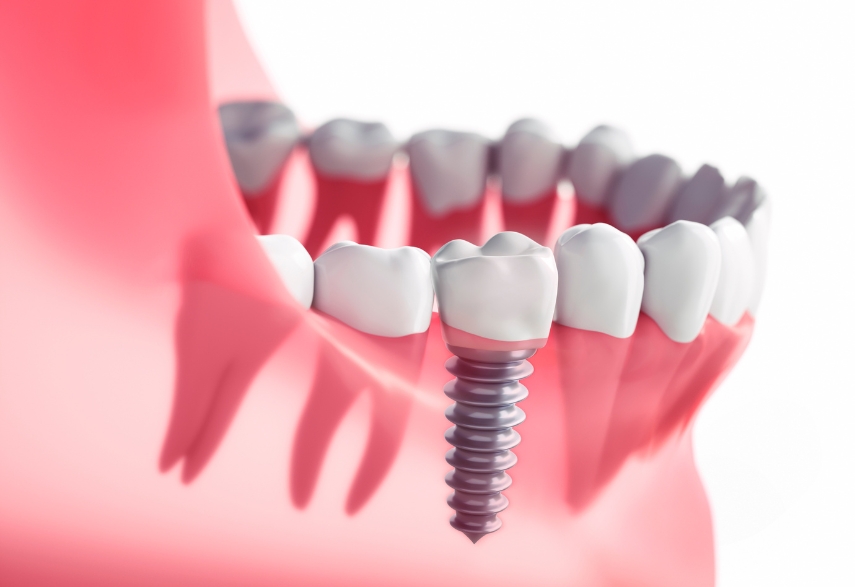
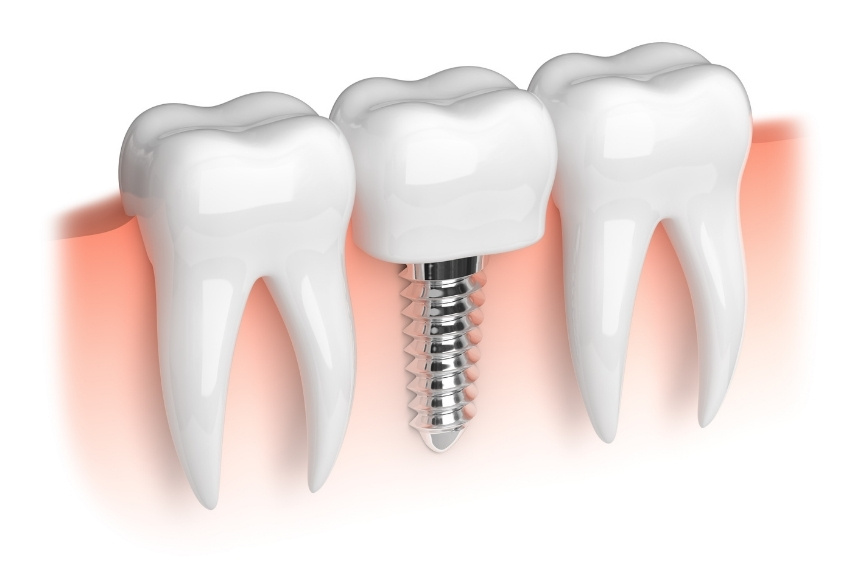
Dental implants must be inserted in healthy gums and hard bone to have adequate anchorage. Diabetes may interfere with the osseointegration, the action whereby bone gets integrated into the implant.
However, it doesn’t exclude diabetic patients from dental treatment. Well-controlled diabetes yields normal healing and excellent implant stability. Regular check-ups and professional care minimize risks and ensure long-term success.
Are Dental Implants Safe for Diabetic Patients?
Recent studies confirm that dental implants in Chicago succeed in diabetic patients with well-controlled diabetes. Clinical results show nearly the same success rate as in non-diabetic patients.
Modern materials and advanced surgery improve outcomes greatly. With proper guidance from qualified practitioners, diabetic patients achieve healthy, working smiles with implants. Well-controlled glucose remains the essential key to safe healing and long-term function.
Uncontrolled diabetes increases implant complications and retards tissue healing. Smoking or oral unhygiene increases these risks. Hyperglycemia causes infection and retards bone growth around dental implants.
Disregard for medical advice invites discomfort or failure. Regular dental checkups, good diets, and good oral hygiene keep the implants healthy and boost the capacity for healing.
How Chicago Dentists Ensure Treatment Safety
Chicago dentists begin with a complete evaluation before they prescribe dental implants. They evaluate blood sugar levels, gum health, and bone strength. Coordination with physicians ensures complete safety. This guarantees that the optimal time for surgery is determined and maximizes implant success rates.
Local Chicago offices use guided implant surgery and 3D imaging to guarantee precise placement. Minimally invasive methods lower healing time and discomfort. Every treatment plan is altered to the patient’s comfort level and his or her medical condition. Such advances allow diabetic patients to experience predictable, safe results from dental implants in Chicago.
Diabetic Patient Tips for Planning Dental Implants
Before Treatment:
• Maintain blood sugar in target range.
• Follow all pre-surgery guidelines and deal with medications appropriately.
Post-Surgery:
• Brush teeth regularly every day.
• Visit the dentist for routine follow-ups post-surgery.
• Keep blood glucose under control to prevent infection.
• Don’t smoke or consume sugary foods after recovery.
Stable diabetes control ensures proper healing and protection of implants. Thoughtful planning, professional guidance, and self-restraint provide better outcomes.
Dental implants have life-changing benefits even in diabetic people. With proper glucose management and good oral care, success is still achievable. Chicago residents must see credible specialists to ensure safe and effective implant therapy. Schedule a consultation with us today and discover whether implants are right for you.