5505 N. Clark Street Chicago, IL 60640



How to Maintain Oral Hygiene After Getting a Single-Tooth Implant in Andersonville, IL


A single-tooth implant can change your life by restoring your smile and function while providing a long-term solution to tooth loss. To ensure the longevity of your implant and the general health of your mouth, you must maintain good oral hygiene after the procedure.
Understanding Single-Tooth Implants and Why Oral Hygiene Matters
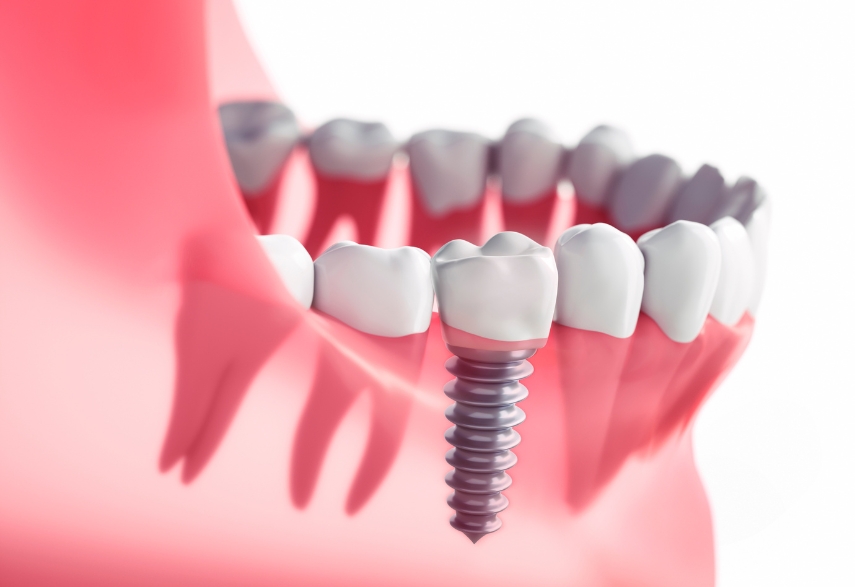
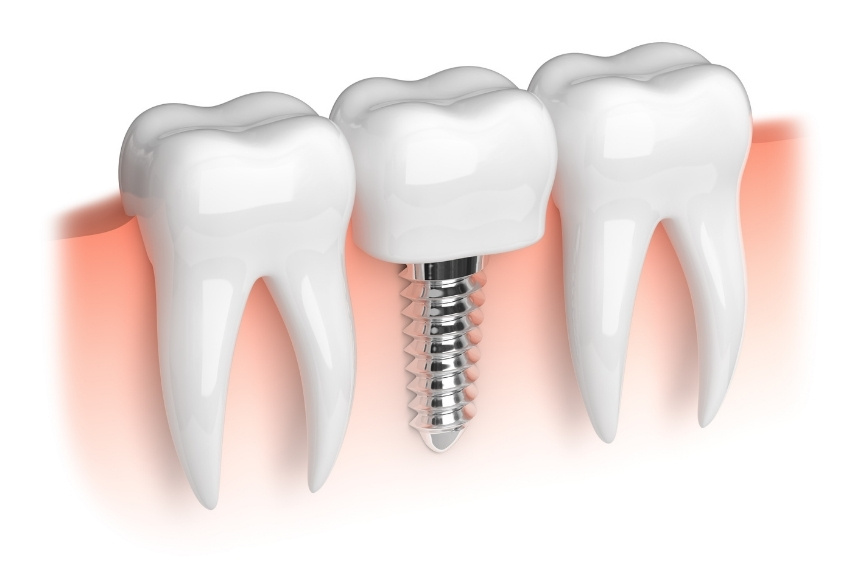
For replacing a lost tooth, a single-tooth implant treatment is a very reliable and long-lasting option. The implant replaces the tooth root with a titanium post inserted into your jawbone. Restoration is completed by placing a crown on the implant.
Your single-tooth implant in Andersonville, IL, needs to be properly cared for, as poor hygiene can lead to problems such as infection, implant failure, or bone loss. Adopting a good oral hygiene regimen after treatment is crucial to maintaining your implant’s condition and ensuring it serves you for many years.
Best Practices for Oral Hygiene After a Single-Tooth Implant
1. Use a Toothbrush with Soft Bristles Regularly
It becomes even more crucial to properly brush your teeth after receiving a single-tooth implant in Andersonville, IL. Using a soft-bristled toothbrush, gently brush the implant and its surroundings. Excessive force or hard-bristled brushes may cause gum irritation or damage to implants. Brush your teeth for 2 minutes at least twice a day, paying particular attention to the area around the implant.
2. Gently Floss the Area Surrounding Your Implant
To get rid of food particles and plaque that a toothbrush might miss, flossing is crucial. Make sure to gently floss around your implant. A floss threader or implant-specific floss is an example of a specialized flossing tool that can help you get into tight areas without damaging them. Floss should not be snapped against the implant, as this could damage the gum tissue.
3. Use an Antiseptic Mouthwash
By lowering oral bacteria, mouthwash with antiseptic qualities can aid in healing and infection prevention. Alcohol can irritate the delicate tissue surrounding your implant, so look for a mouthwash without alcohol. After brushing, give your mouth a gentle rinse to make sure it’s clean.
4. Avoid Sticky & Hard Foods
Foods that are chewy, sticky, or hard should be avoided in the early phases of healing. These may cause discomfort or excessive strain on your implant. It’s crucial to continue exercising caution when consuming certain foods that could harm your dental work after you’ve recovered completely.
5. Routine Dental Cleanings and Examinations
Maintaining the health of your implant requires routine dental visits. In order to remove any buildup that cannot be removed by routine brushing and flossing, your dentist will evaluate the state of your implant, look for any indications of complications, and professionally clean it.
Keeping Your Implant Safe
While maintaining proper oral hygiene can help avoid many problems, preventing damage to your implant is just as crucial. If you grind your teeth at night, wearing a nightguard is a good idea. Over time, excessive pressure from teeth grinding (bruxism) may cause problems with your implant.
Conclusion: Keep Your Smile Strong and Healthy
Maintaining your single-tooth implant in Andersonville, IL, calls for both professional care and regular dental hygiene. You can ensure your implant remains robust and functional for many years to come by following these recommendations and scheduling routine checkups. Get in touch with Lakeshore Dental Studio today if you need individualized guidance or would like to arrange a dental examination. Our goal is to support you in keeping your smile confident and healthy!
FAQ
1. What is the duration of a single-tooth implant?
When properly maintained, a single-tooth implant can last up to 20 years. Regular dental checkups, preventive measures to reduce excessive wear, and maintaining good oral hygiene are all important for the longevity of dental implants.
2. Can I clean my implant with ordinary toothpaste?
You can use ordinary toothpaste. To prevent your implant crown’s surface from being scratched, use a non-abrasive paste.
3. After the procedure, can I immediately floss the area around my implant?
Waiting a few weeks will help your gums heal. Then, to prevent irritation, floss gently around the implant.
4. After getting a single tooth implant, when can I resume eating normally?
Avoid eating anything other than soft foods for 24 hours after the procedure. You can resume your regular diet after healing is complete, but avoid sticky or hard foods.
6. What happens if I don’t properly maintain my implant?
Infection, gum disease, and even implant failure can result from poor oral hygiene. Success depends on routine dental examinations and cleanings.
7. Can my single-tooth implant’s success be impacted by smoking?
Indeed, smoking raises the risk of implant failure and slows the healing process. For the best outcomes, it is advised to cut back or give up smoking.