5505 N. Clark Street Chicago, IL 60640



Dental Implants in Chicago, IL

If you’ve been living with a missing tooth, you’ve probably heard about dental implants. They look natural, function like real teeth, and can last a lifetime. But are you actually a good candidate for dental implants in Lincoln Square? That’s the honest question most patients are afraid to ask. At Lakeshore Dental Studio of Chicago, Dr. Kapil Kella helps patients answer that question every day — without judgment and without guesswork.
The good news is that most healthy adults qualify for implants. The more nuanced news is that certain factors do affect your eligibility. Understanding those factors empowers you to make a confident, informed decision about your smile.
What Makes Someone a Good Candidate for Dental Implants in Lincoln Square?
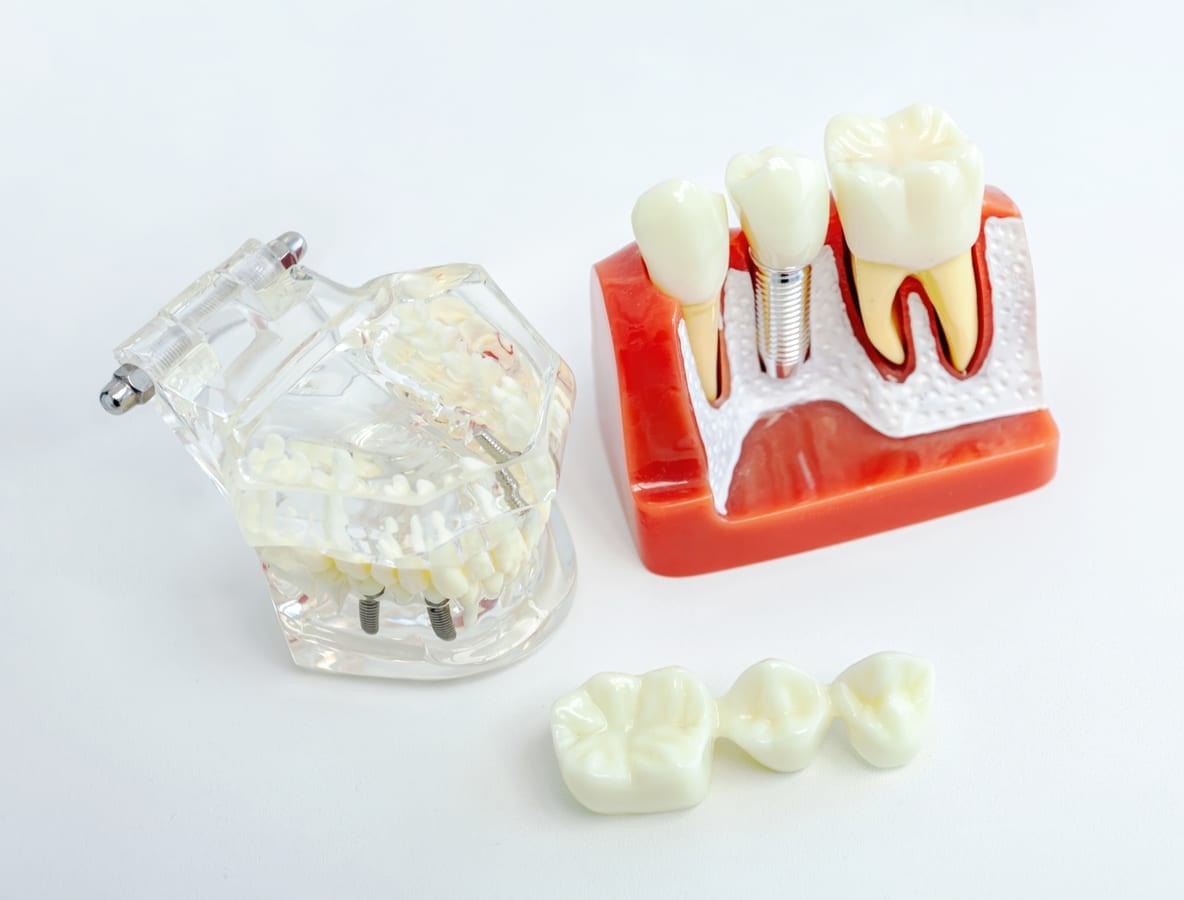
Dental implants are titanium posts surgically placed into your jawbone. They replace the root of a missing tooth. For this process to succeed, your body needs to be able to support and fuse with that post — a process called osseointegration.
Several factors determine whether your body can do that well. Dentists evaluate these factors before recommending implants to any patient. The goal is always long-term success, not just short-term placement.
Here are the core criteria Dr. Kella considers during an implant evaluation:
- Sufficient jawbone density to anchor the implant securely
- Healthy gums free from active periodontal disease
- Good overall health that supports surgical healing
- Completed jaw development, meaning most adults over 18 qualify by age
- Commitment to oral hygiene before and after the procedure
Meeting these criteria puts you in a strong position. Even if you don’t meet all of them right now, many issues can be addressed first.
Does Age Affect Your Eligibility for Dental Implants?
Age is one of the most common concerns patients bring up. Many people wonder if they’re too old — or occasionally, too young — for implants. The honest answer is that age alone rarely disqualifies someone.
Teenagers are typically not candidates because their jaws are still growing. Placing an implant too early could interfere with natural development. Most dental providers recommend waiting until the late teens or early twenties at minimum.
On the other end of the spectrum, there is no upper age limit for dental implants. Patients in their 70s and 80s receive implants successfully every year. What matters more is your overall health and bone quality — not the number of candles on your birthday cake.
Older adults should simply expect a more thorough health screening beforehand. That screening helps ensure the procedure is safe and the outcome is durable.
How Bone Density and Gum Health Impact Candidacy
Bone density is probably the single most important physical factor in implant candidacy. When a tooth is lost, the jawbone beneath it begins to shrink. This process is called bone resorption, and it happens faster than most patients expect.
If you’ve had a missing tooth for several years, you may have experienced some bone loss already. That doesn’t automatically rule out implants. A bone grafting procedure can rebuild density before placement. It does add time to the overall process, but it makes implants possible for many patients who assumed they were disqualified.
Gum disease is another common barrier. Active periodontal disease creates an unstable environment for implants. The infection can prevent proper healing and lead to implant failure. However, treating gum disease first often clears the way for successful implant placement later.
This is also where Preventive Dentistry plays a critical role. Keeping your gums healthy before and after implants dramatically improves long-term outcomes.
Can Smokers or Patients With Health Conditions Get Dental Implants?
This section deserves an honest, straightforward answer — because patients deserve honesty. Smoking significantly reduces implant success rates. Tobacco restricts blood flow to the gums and slows healing. It also increases the risk of infection around the implant site.
Smokers can still receive implants, but Dr. Kella will strongly encourage quitting or at minimum pausing smoking before and after surgery. The more you can reduce tobacco use, the better your results will be.
Certain health conditions also require careful consideration. These include:
- Uncontrolled diabetes — affects healing and infection resistance
- Autoimmune disorders — may interfere with osseointegration
- Blood clotting disorders — increase surgical risk
- Osteoporosis — can reduce bone strength needed for implant support
- Recent radiation therapy to the head or neck — may compromise jaw tissue
None of these conditions is an automatic disqualifier. Many patients with these diagnoses receive implants after careful coordination with their primary care provider. Transparency about your health history is essential — it helps Dr. Kella create the safest possible treatment plan for you.
What Happens During Your Implant Candidacy Evaluation at Lakeshore Dental Studio?
Your first step toward dental implants is a thorough consultation. Dr. Kapil Kella takes time to understand your dental history, your goals, and any concerns you may have. This isn’t a rushed appointment — it’s a real conversation.
During the evaluation, you can expect the following steps:
- Digital X-rays and 3D imaging to assess bone volume and structure
- Gum and periodontal assessment to check tissue health
- Medical history review to identify any conditions that affect eligibility
- Discussion of your goals and timeline for treatment
- Custom treatment plan tailored specifically to your needs
If preparatory treatments are needed — like a bone graft or gum disease therapy — Dr. Kella will explain them clearly. You’ll know exactly what to expect before committing to anything.
And if a dental emergency ever arises during your treatment journey, know that Emergency Dentistry In Chicago is available to address urgent issues quickly and safely.
Frequently Asked Questions
What is the minimum age for dental implants?
Most dental providers recommend waiting until jaw development is complete — typically around 18 to 21 years old. Placing implants too early can interfere with natural bone growth. Dr. Kella evaluates each young patient individually before making a recommendation.
Can I get dental implants if I have diabetes?
Yes, in many cases. Patients with well-controlled diabetes can be good candidates for dental implants. Uncontrolled blood sugar, however, slows healing and increases infection risk. Dr. Kella works with your primary care provider to determine the safest path forward.
How long does the entire dental implant process take?
The timeline varies depending on your specific situation. If no preparatory procedures are needed, treatment can take three to six months. Patients who need bone grafting or gum disease treatment should expect a longer process. Dr. Kella will give you a realistic timeline during your consultation.
What if I’ve had bone loss from a missing tooth?
Bone loss doesn’t disqualify you from getting implants. A bone graft procedure can restore lost density before implant placement. This adds time but opens the door for many patients who thought they weren’t candidates. Dr. Kella will assess your bone volume during your initial evaluation.
Are dental implants worth it compared to dentures?
Implants offer several advantages over traditional dentures, including stability, longevity, and preservation of jawbone health. They function and feel more like natural teeth. The right choice depends on your health, goals, and individual circumstances — something Dr. Kella can help you evaluate in detail.
If you’ve been wondering whether dental implants are right for you, the best next step is a simple, no-pressure conversation with Dr. Kapil Kella. Patients across Lincoln Square and the greater Chicago area trust Lakeshore Dental Studio for honest evaluations and personalized care. Book Now to schedule your appointment with our team.