5505 N. Clark Street Chicago, IL 60640



Your First 30 Minutes After a Knocked-Out Tooth Matter Most


Your first 30 minutes after a knocked-out tooth matter most in Chicago — and that is not an exaggeration. A dislodged tooth can often be saved, but only if you act fast and correctly. Every minute of delay reduces the chance of successful re-implantation. Dr. Kapil Kella and the team at Lakeshore Dental Studio of Chicago are here to walk you through exactly what to do.
Dental emergencies are stressful and disorienting. Knowing the right steps in advance can mean the difference between saving your tooth and losing it permanently. This guide gives you a clear, action-oriented plan you can follow right now.
Why the First 30 Minutes After a Knocked-Out Tooth Matter Most in Chicago
A knocked-out tooth — called an avulsed tooth by dentists — has living cells on its root surface. Those cells begin to die within minutes of leaving the socket. Re-implantation success drops sharply after 30 minutes outside the mouth. Chicago residents who act within that window have a much higher chance of a full recovery.
The blood supply and ligament fibers that connect your tooth to bone are fragile. Once they dry out or become contaminated, the body cannot reattach them effectively. Speed is your single most important advantage in this situation. Do not wait to see if the pain goes away — call a dental emergency provider immediately.
Step-by-Step: What to Do in the First 30 Minutes
Follow these steps in order. Do not skip any of them, even if you feel panicked or rushed.
- Stay calm and find the tooth. Pick it up by the crown — the white chewing surface — never by the root.
- Rinse it gently. Use clean water or saline. Do not scrub, dry, or wrap the tooth in a tissue.
- Try to reinsert it. If possible, gently push the tooth back into its socket. Bite down softly on a cloth to hold it in place.
- Store it properly if reinsertion is not possible. Place the tooth in a glass of milk, or tuck it between your cheek and gum. Do not use tap water as your only storage option.
- Call your emergency dentist immediately. Contact Lakeshore Dental Studio of Chicago and head there without delay.
- Arrive within 30 minutes. The sooner you arrive, the better your outcome will be.
These steps work for adults and older children. For very young children with baby teeth, do not reinsert the tooth. Call your dentist for guidance on next steps specific to pediatric cases.
What NOT to Do When a Tooth Gets Knocked Out
Knowing what to avoid is just as critical as knowing what to do. Many well-meaning people accidentally damage the tooth further in those first frantic moments. Avoid these common mistakes at all costs.
- Do not touch or scrub the root surface — you will destroy the living cells.
- Do not store the tooth in plain tap water for more than a few minutes — it damages root cells.
- Do not wrap the tooth in a dry paper towel or tissue — it will dry out fast.
- Do not use ice to preserve the tooth — freezing temperatures damage the root cells.
- Do not delay calling a dentist while searching for home remedies online.
- Do not assume the tooth is lost just because it looks damaged.
Milk is the best storage solution most people have available at home. It maintains the right pH and osmolality to keep root cells alive. If milk is unavailable, keep the tooth moist inside your cheek. Arrive at Lakeshore Dental Studio of Chicago as quickly as possible after securing the tooth.
What Happens at the Dental Office After a Knocked-Out Tooth
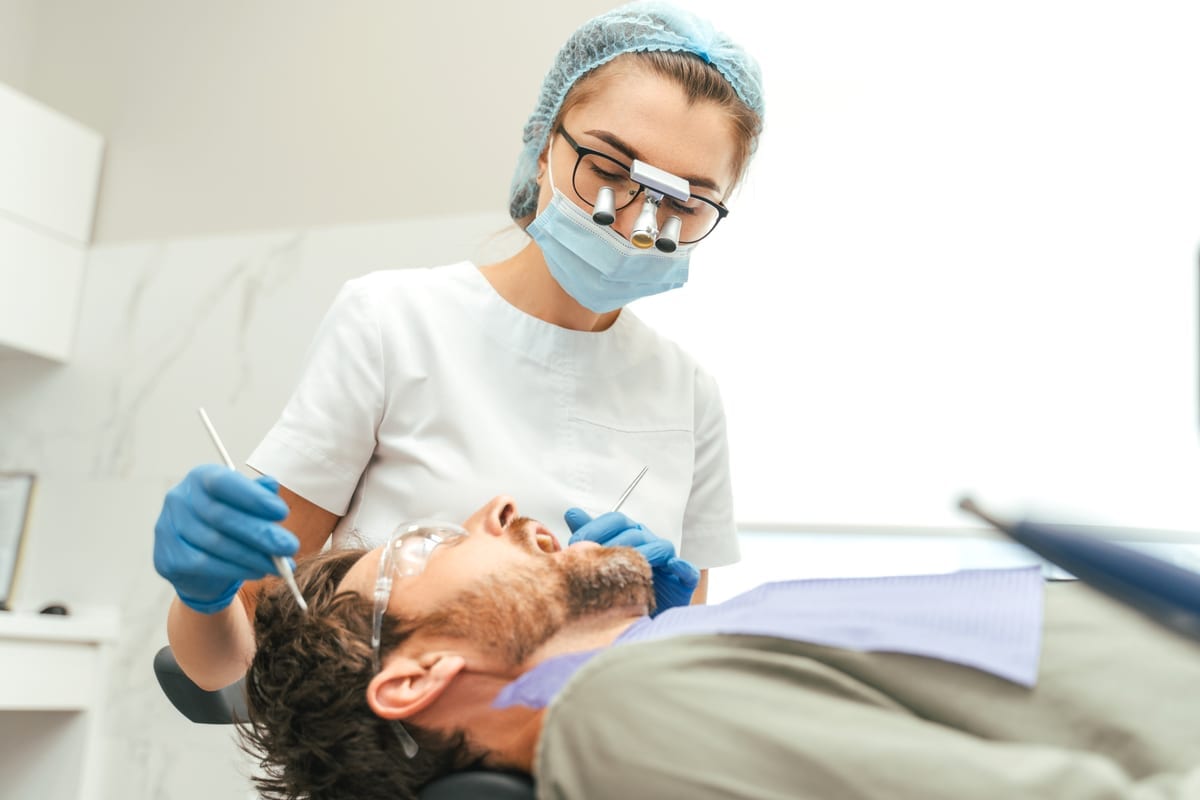
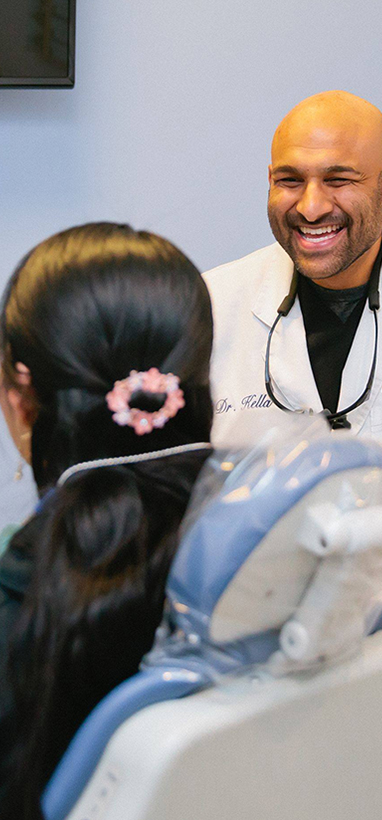
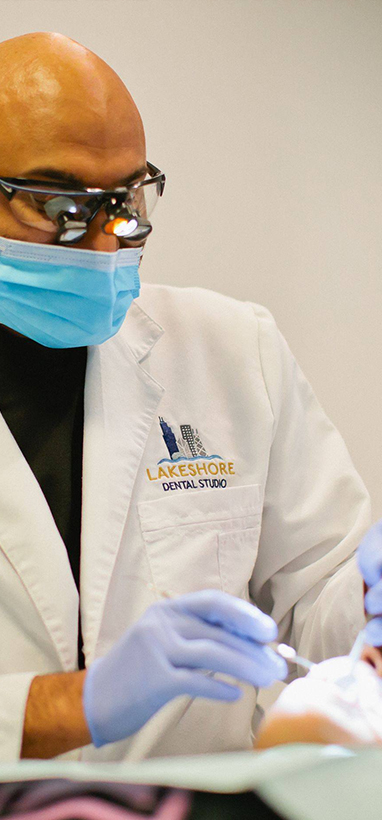
When you arrive at Lakeshore Dental Studio of Chicago, Dr. Kapil Kella will assess the tooth and the socket immediately. Time is still a factor even once you are in the chair. The sooner treatment begins, the better.
Dr. Kella will clean and evaluate both the tooth and the surrounding tissue. If the tooth is viable, he will carefully reposition it in the socket and stabilize it with a splint. This splint typically stays in place for one to two weeks while the ligament heals.
In some cases, a follow-up Root Canals Chicago procedure may be necessary. When a tooth is knocked out, the nerve inside often becomes damaged or dies. A root canal removes that damaged tissue and seals the tooth so it can remain in your mouth long-term.
Your aftercare plan will include clear instructions on diet, hygiene, and activity. Follow them precisely to give your tooth the best chance of permanent re-attachment.
Long-Term Care After Re-Implantation
A successfully re-implanted tooth still needs careful long-term monitoring. Dr. Kapil Kella will schedule follow-up appointments to track healing and bone response. Some re-implanted teeth remain stable for decades. Others may eventually require replacement with a dental implant.
Ongoing Preventive Dentistry Chicago care plays a major role in long-term outcomes. Regular check-ups allow Dr. Kella to catch early signs of root resorption or bone loss. Catching problems early always leads to better outcomes and more treatment options.
Protecting your teeth going forward also matters. If you or your child plays contact sports, ask about custom mouthguards. A quality mouthguard is one of the most effective ways to prevent another dental emergency in Chicago.
When Re-Implantation Is Not Possible
Sometimes a tooth cannot be saved. The tooth may have been out too long, stored incorrectly, or severely fractured. In those cases, Dr. Kapil Kella will discuss replacement options that restore your smile and protect your oral health.
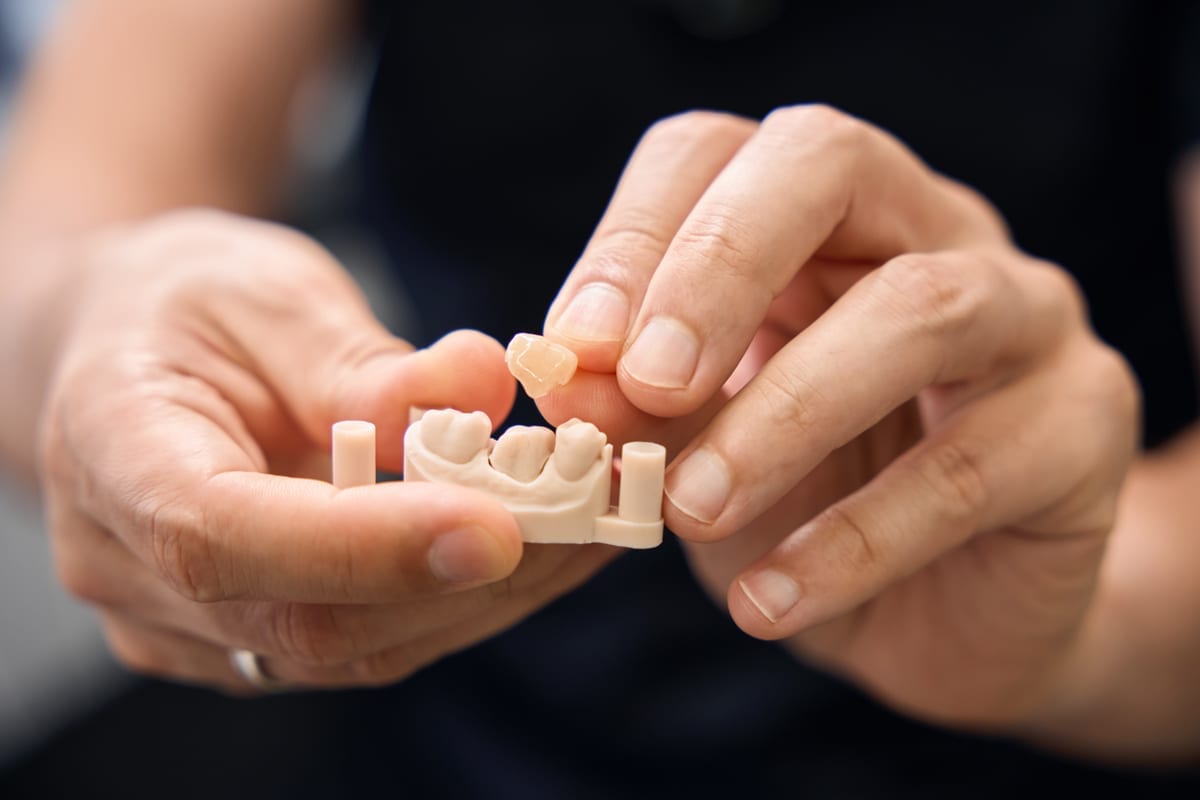
Dental implants are the most natural-feeling long-term tooth replacement option available. They look, function, and feel like real teeth. Dentures and bridges are also available depending on your specific needs and goals.
Losing a tooth does not mean losing your smile. Lakeshore Dental Studio of Chicago offers multiple solutions to restore full function and aesthetics. The important thing is to act quickly and get professional guidance as soon as possible.
Conclusion: Act Fast, Save Your Tooth
Your first 30 minutes after a knocked-out tooth matter most in Chicago — every second counts. Pick up the tooth correctly, keep it moist, and get to Lakeshore Dental Studio of Chicago without delay. Dr. Kapil Kella and the team are trained to handle dental emergencies with speed, skill, and compassion. Book Now to schedule your appointment with our team.
Frequently Asked Questions
Can a knocked-out tooth always be re-implanted?
Not always, but many teeth can be saved if treated within 30 minutes. Success depends on how the tooth was stored, how quickly you reached a dentist, and the condition of the root. Acting fast gives you the best possible chance of saving your tooth.
What is the best liquid to store a knocked-out tooth in?
Milk is the best readily available option. It maintains the right environment to keep root cells alive. You can also tuck the tooth between your cheek and gum to keep it moist. Avoid plain tap water and never let the tooth dry out.
Will I need a root canal after a knocked-out tooth is re-implanted?
In many cases, yes. The nerve inside the tooth often becomes damaged when it is knocked out. A root canal removes the damaged nerve tissue and seals the tooth so it can remain functional in your mouth long-term. Dr. Kapil Kella will assess this during your visit.
What should I do if my child knocks out a baby tooth?
Do not try to re-implant a baby tooth. Reinserting it could damage the developing permanent tooth underneath. Call Lakeshore Dental Studio of Chicago immediately for guidance. A pediatric dental evaluation will determine if any further treatment is needed.
How can I prevent a knocked-out tooth in the future?
Wearing a custom-fitted mouthguard during contact sports is the most effective prevention strategy. Mouthguards absorb impact and significantly reduce the risk of tooth displacement. Ask Dr. Kapil Kella about getting a professionally made mouthguard at your next visit.