5505 N. Clark Street Chicago, IL 60640



Scared of the Dentist? Modern Sedation Techniques That Actually Work


If you’re scared of the dentist, you’re far from alone. Dental anxiety affects millions of American adults every year. Many people delay or avoid care entirely because of fear. The good news is that modern sedation techniques that actually work in Chicago are now widely available — and they’ve transformed how anxious patients experience dental visits.
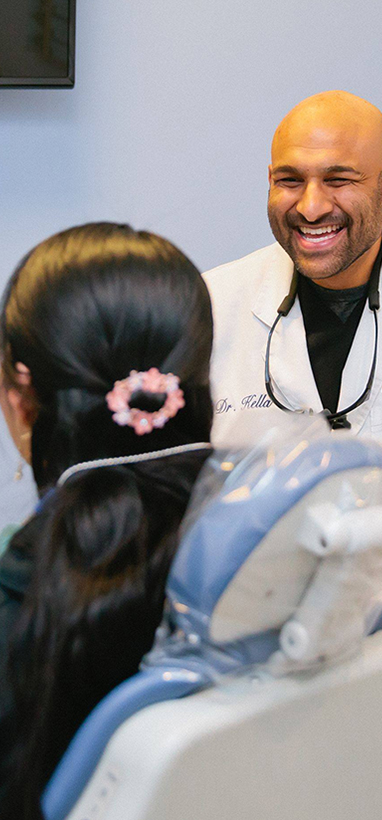
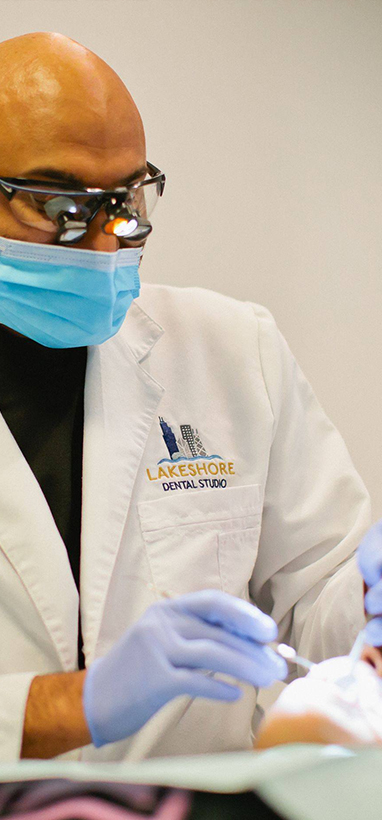
At Lakeshore Dental Studio of Chicago, Dr. Kapil Kella and his team understand dental fear at a deep level. They’ve helped countless patients finally get the care they’ve been putting off. Whether your anxiety is mild or severe, there’s a real solution designed for you.
Why Dental Anxiety Is So Common — And So Valid
Dental anxiety isn’t a personality flaw. It’s a natural response rooted in past experiences, fear of pain, or loss of control. Studies show that up to 36% of the population experiences some form of dental fear. A significant portion avoids the dentist completely because of it.
Common triggers include the sound of the drill, the feeling of numbness, or memories of a painful childhood procedure. Some patients feel embarrassed about the condition of their teeth. That shame can make anxiety even worse. Recognizing these feelings is the first step toward addressing them.
Skipping dental visits has real consequences. Untreated issues like cavities and gum disease get worse over time. What could have been a simple filling can become a root canal. Dental anxiety ends up causing the very pain patients are trying to avoid.
Modern Sedation Techniques That Actually Work for Anxious Patients in Chicago
Today’s dental sedation options are safer and more effective than ever before. They range from mild relaxation to deeper sedation for complex procedures. Dr. Kapil Kella tailors each approach to the patient’s anxiety level and treatment needs. Here’s a breakdown of the most common options available at Lakeshore Dental Studio of Chicago.
- Nitrous Oxide (Laughing Gas): A gentle gas inhaled through a small nose mask. It produces a calm, relaxed feeling within minutes. You stay awake and aware but feel at ease. Effects wear off quickly, so you can drive home afterward.
- Oral Conscious Sedation: A prescribed pill taken before your appointment. You’ll feel drowsy and deeply relaxed during the procedure. Most patients have little to no memory of the visit. A trusted adult must drive you home.
- IV Sedation: Administered directly into the bloodstream for a deeper effect. This works well for patients with severe anxiety or complex procedures. You remain responsive but in a deeply calm state. Recovery time is slightly longer than with oral sedation.
- Local Anesthesia: Always used alongside other sedation options. It numbs the specific area being treated. This eliminates physical pain at the treatment site. Most patients are surprised by how comfortable it makes procedures.
Each method has its own benefits and ideal use cases. Dr. Kella discusses all options during your consultation. Together, you choose what feels right for your situation. There’s no pressure and no one-size-fits-all approach here.
What to Expect During a Sedation Dentistry Visit
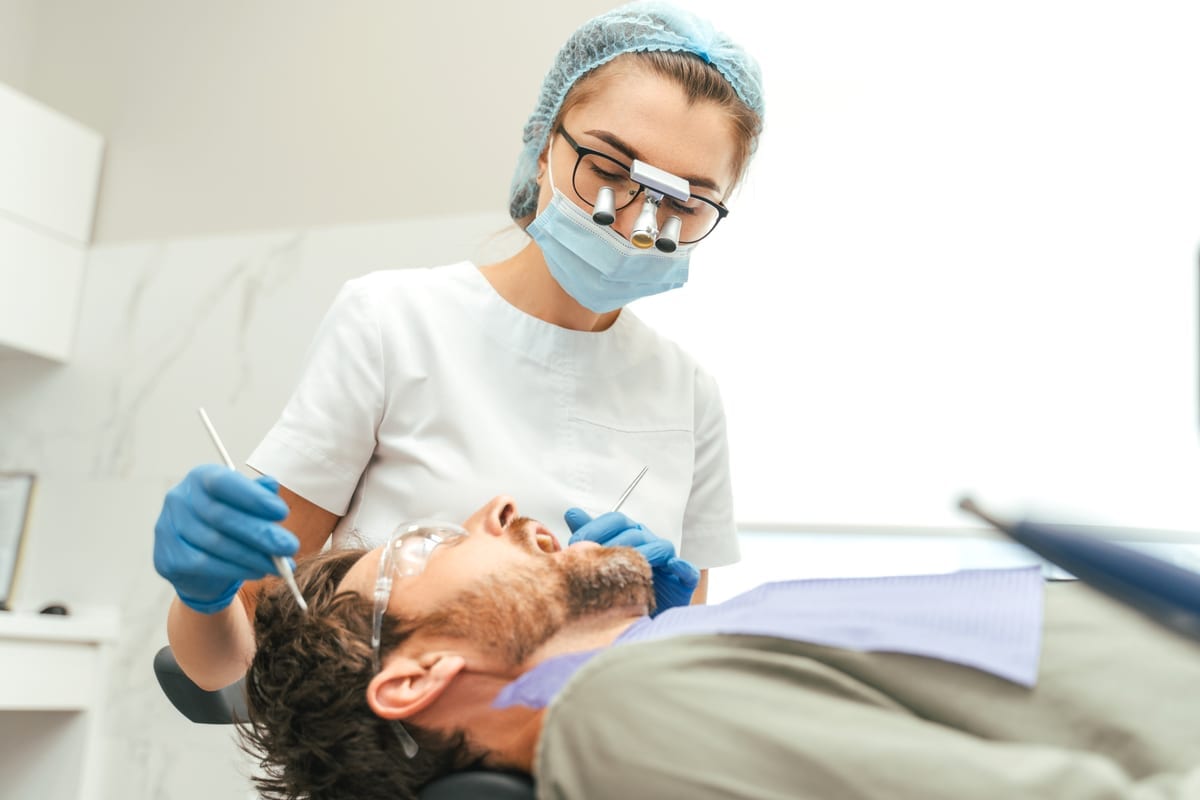
Knowing what will happen can ease anxiety before you even arrive. Here’s a simple overview of a typical sedation dentistry appointment at Lakeshore Dental Studio of Chicago.
- Consultation: Dr. Kella reviews your medical history and discusses your anxiety triggers. He explains each sedation option clearly. You ask questions and make an informed decision together.
- Pre-Appointment Preparation: Depending on your chosen sedation type, you may need to fast beforehand. You’ll arrange for a ride home if needed. The team provides clear, written instructions in advance.
- During the Visit: Sedation is administered as planned. The dental team monitors you throughout the procedure. You feel calm and comfortable the entire time.
- Recovery: Most patients feel groggy for a few hours after moderate or deep sedation. You rest at home for the remainder of the day. Many patients are surprised by how easy the experience felt.
The entire process is designed to minimize stress at every stage. The team communicates with you clearly before, during, and after. You’re never left guessing about what comes next. That predictability alone reduces anxiety for many patients.
Other Comfort Strategies That Complement Sedation
Sedation isn’t the only tool in a modern dental practice’s toolkit. Many anxious patients benefit from a combination of strategies. These techniques work alongside sedation to create the most comfortable experience possible.
- Warm, judgment-free consultations before treatment begins
- Establishing a stop signal so patients always feel in control
- Explaining each step before performing it
- Offering noise-canceling headphones or calming music
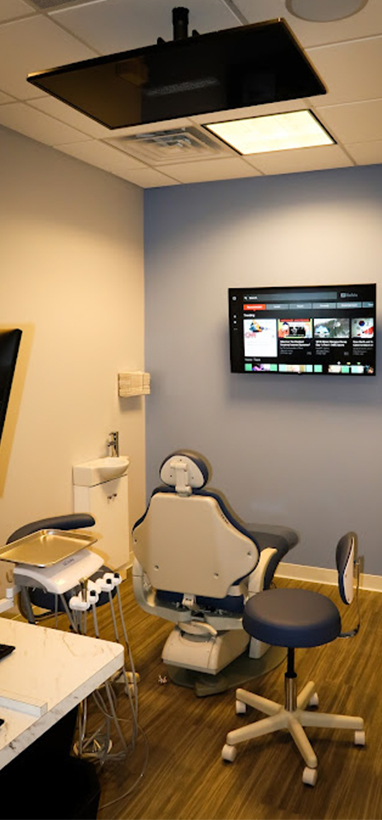
- Using distraction techniques like TV screens in treatment rooms
- Scheduling appointments at low-stress times of day
Dr. Kella believes communication is one of the most powerful anxiety-reducing tools available. When patients feel heard, trust builds quickly. That trust makes every future visit easier than the last.
Sedation Dentistry and Routine Preventive Care
Many anxious patients use sedation even for routine cleanings. That’s completely valid and widely accepted. Staying consistent with Preventive Dentistry Chicago care is one of the best ways to avoid larger problems down the road. When sedation makes those visits possible, it protects your long-term oral health.
Preventive care also means fewer emergency situations. But if something urgent does arise, sedation can help there too. Emergency Dentistry In Chicago Chicago services at Lakeshore Dental Studio include sedation options for patients in pain or distress. You don’t have to white-knuckle through an emergency visit.
The goal is to break the cycle of avoidance. Regular preventive care, supported by sedation when needed, keeps your smile healthy. It also gradually reduces dental anxiety over time for many patients. Each positive experience rewires how you feel about the dentist.
Is Sedation Dentistry Right for You?
You might be a good candidate for sedation dentistry if any of the following apply to you. Consider it if you’ve been avoiding the dentist for a year or more. It’s also worth exploring if you have a strong gag reflex or sensitive teeth. Patients with a history of traumatic dental experiences often benefit most.
Sedation is also helpful for patients who need multiple procedures in a single visit. It allows Dr. Kella to complete more work efficiently and comfortably. That means fewer total appointments for patients with significant treatment needs. It’s practical as well as compassionate.
During your consultation, Dr. Kella reviews your health history carefully. He ensures sedation is safe based on your individual circumstances. Transparency and safety are always the top priorities at Lakeshore Dental Studio of Chicago.
Take the First Step Toward Stress-Free Dental Care in Chicago
Dental fear doesn’t have to control your oral health decisions anymore. Modern sedation options have made comfortable dental care accessible to nearly everyone. Dr. Kapil Kella and the team at Lakeshore Dental Studio of Chicago are ready to meet you where you are. They’ll work at your pace, answer every question, and never rush you into anything.
You deserve a dental experience that feels safe and manageable. With the right sedation technique and a compassionate team, that’s entirely possible. Thousands of formerly anxious patients have made the switch to stress-free dental care. You can too. Book Now to schedule your appointment with our team.
Frequently Asked Questions
Is sedation dentistry safe for most adults?
Yes, sedation dentistry is safe for the vast majority of healthy adults. Dr. Kapil Kella thoroughly reviews your medical history before recommending any sedation option. He ensures the chosen method is appropriate for your health profile. The team monitors you closely throughout every procedure.
Will I be completely unconscious with sedation dentistry?
Most sedation options used in a general dental setting keep you conscious but deeply relaxed. Nitrous oxide and oral sedation allow you to respond to questions. IV sedation produces a deeper state but you still remain responsive. General anesthesia, which produces full unconsciousness, is typically reserved for surgical settings.
How long does it take to recover from oral sedation?
Most patients feel groggy for several hours after oral conscious sedation. You’ll need a trusted adult to drive you home from your appointment. Plan to rest for the remainder of that day. Most patients feel completely normal by the following morning.
Can children receive sedation dentistry too?
Yes, pediatric sedation options exist for young patients with significant anxiety or complex needs. Nitrous oxide is commonly used for children in dental settings. Dr. Kella discusses all available options with parents before proceeding. The safety and comfort of every patient, young or old, is always the top priority.
How do I know which sedation option is right for me?
The best way to find out is through a one-on-one consultation with Dr. Kella. He evaluates your anxiety level, health history, and the procedures you need. Together, you’ll decide which option best fits your situation. There’s no pressure — the goal is simply to help you feel comfortable and confident.