5505 N. Clark Street Chicago, IL 60640



Why Your Dentist Might Recommend Cleanings Every 3 Months Instead of 6


If your dentist recently told you to come in every three months instead of every six, you might be confused. Most people grow up hearing that twice-a-year cleanings are the standard. But understanding why your dentist might recommend cleanings every 3 months instead of 6 in Chicago can actually save your smile. The truth is, your ideal cleaning frequency depends on your unique oral health needs.
The Standard 6-Month Rule — And Why It Doesn’t Fit Everyone
The twice-a-year cleaning schedule has been the dental industry’s general recommendation for decades. It works well for patients with healthy gums, low cavity risk, and consistent home care. But it was never meant to be a one-size-fits-all solution.
Every patient’s mouth is different. Bacteria accumulate at different rates depending on your biology, lifestyle, and dental history. Some patients can maintain excellent oral health with two visits per year. Others need more frequent monitoring to stay ahead of problems.
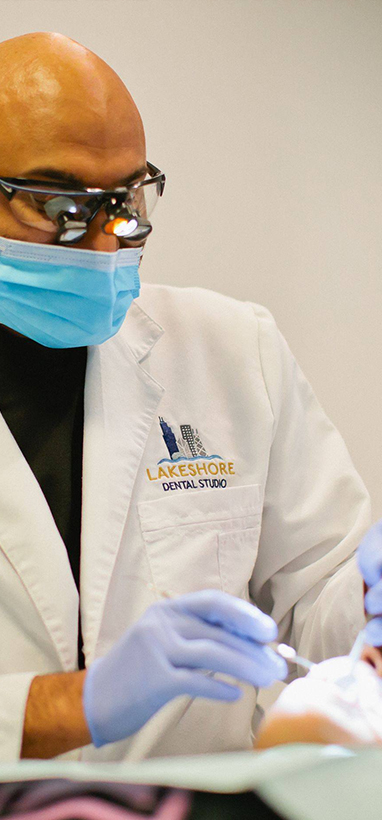
At Lakeshore Dental Studio of Chicago, Dr. Kapil Kella evaluates each patient individually. He considers multiple health factors before recommending a cleaning schedule. This personalized approach is at the heart of quality Preventive Dentistry Chicago care.
Key Factors That Determine Why Your Dentist Might Recommend Cleanings Every 3 Months Instead of 6 in Chicago
Several specific conditions and risk factors can lead your dentist to recommend more frequent visits. These aren’t arbitrary decisions. They are based on clinical evidence and your personal health history.
Here are the most common reasons patients are placed on a three- or four-month cleaning schedule:
- Gum disease (periodontitis or gingivitis): Active or previously treated gum disease requires closer monitoring to prevent recurrence.
- High cavity risk: Some patients develop decay more quickly due to diet, dry mouth, or genetics.
- Smoking or tobacco use: Tobacco significantly increases plaque buildup and gum disease risk.
- Diabetes: Diabetes impairs healing and increases vulnerability to oral infections.
- Dry mouth (xerostomia): Saliva protects teeth. Less saliva means faster bacterial growth.
- Weakened immune system: Certain medications or conditions reduce your body’s ability to fight oral bacteria.
- Orthodontic appliances or dental restorations: Braces, implants, and bridges create more surfaces for plaque to collect.
- History of frequent cavities or tooth loss: Past patterns often predict future risk.
If you have one or more of these factors, more frequent cleanings are a proactive investment — not an overreaction.
What Happens During a 3-Month Cleaning Visit in Chicago
A three-month cleaning visit looks similar to a standard cleaning but with added focus on problem areas. Dr. Kella and his team pay close attention to the health of your gum tissue and bone levels. Early changes are easier and less costly to treat when caught quickly.
During these visits, your hygienist will remove tartar buildup that brushing and flossing cannot reach. They will also measure your gum pockets to check for inflammation or deepening. These measurements help track whether your condition is stable or progressing.
X-rays are taken as needed — not at every visit — to monitor bone health over time. Your hygienist will also review your home care routine. Small adjustments to your brushing or flossing technique can make a significant difference between visits.
For patients managing complex dental needs, more frequent visits also allow Dr. Kella to monitor existing restorations. Catching a failing filling or early crack early can prevent the need for more extensive work later.
How Gum Disease Makes More Frequent Cleanings Essential
Gum disease is one of the most common reasons patients in Chicago need three-month cleanings. Once you have had periodontal disease, the bacteria responsible never fully go away. They simply go dormant when managed properly.
Research shows that harmful bacteria repopulate gum pockets within 90 days after a professional cleaning. That is exactly why a three-month interval is clinically recommended for periodontal maintenance patients. Waiting six months gives bacteria too much time to cause new damage.
Periodontal maintenance is different from a standard prophylaxis cleaning. It involves more detailed scaling beneath the gumline to remove bacterial deposits from root surfaces. Without this maintenance, gum disease can progress silently until teeth become loose or require extraction.
Untreated gum disease has also been linked to serious systemic health concerns. These include heart disease, stroke, and complications with diabetes. Staying on your maintenance schedule protects more than just your teeth.
When to Talk to Dr. Kella About Your Cleaning Schedule in Chicago
If you are unsure whether a three-month or six-month schedule is right for you, start by having an honest conversation with Dr. Kella. Share your full health history, including any medications you take. Many common medications cause dry mouth, which directly affects your cavity and gum disease risk.
You should also mention any changes you have noticed in your mouth. Bleeding gums, persistent bad breath, or sensitive teeth are warning signs worth discussing. These symptoms may indicate that your current cleaning schedule is not frequent enough.
Here are some questions to ask at your next visit:
- Do my gum pockets show signs of active disease?
- Am I at a higher risk for cavities based on my saliva levels?
- Has my bone health changed since my last X-rays?
- Are my current restorations holding up as expected?
- What can I do at home to reduce my risk between visits?
Being proactive about these questions puts you in control of your oral health. Dr. Kella welcomes these conversations at every appointment.
If a dental emergency arises between your scheduled cleanings, do not wait. The team at Lakeshore Dental Studio offers Emergency Dentistry In Chicago Chicago to address urgent concerns quickly and effectively.
The Long-Term Value of More Frequent Cleanings
Some patients worry that three-month cleanings are unnecessary or excessive. In reality, they are one of the most cost-effective strategies in dentistry. Catching problems early almost always costs less than treating advanced disease.
A patient who maintains their gum health through regular cleanings is far less likely to need tooth extractions or implants down the road. Prevention is always less invasive and less expensive than restoration. Think of more frequent visits as maintenance, not treatment.
Chicago residents lead busy lives, and fitting in extra dental appointments can feel like a burden. But when your oral health demands it, those extra visits pay dividends for years to come. Dr. Kella and his team at Lakeshore Dental Studio of Chicago make every visit efficient, comfortable, and worthwhile.
Your smile is worth protecting. Book Now to schedule your appointment with our team.
Frequently Asked Questions
Is it normal for a dentist to recommend cleanings every 3 months?
Yes, it is completely normal and clinically appropriate for certain patients. Dentists recommend three-month intervals for people with active gum disease, high cavity risk, or other oral health risk factors. It is a personalized recommendation based on your specific needs, not a universal rule.
Will I need 3-month cleanings forever?
Not necessarily. Some patients successfully move back to a six-month schedule once their gum health stabilizes. Dr. Kella reassesses your cleaning frequency at each visit based on your current condition. Consistent home care and compliance with your schedule are the best ways to reduce your risk over time.
Does more frequent cleaning damage tooth enamel?
No. Professional cleanings performed by a trained hygienist are safe at any recommended interval. The tools used are designed to remove bacterial deposits without harming healthy enamel or gum tissue. In fact, skipping cleanings causes far more damage than attending them regularly.
What is the difference between a regular cleaning and periodontal maintenance?
A regular prophylaxis cleaning focuses on removing plaque and tartar from above and just below the gumline. Periodontal maintenance involves deeper scaling of root surfaces and closer monitoring of gum pocket depths. It is designed specifically for patients who have been diagnosed with or treated for gum disease.
How do I know if I need more frequent dental cleanings in Chicago?
Signs that you may need more frequent visits include bleeding gums, persistent bad breath, sensitive teeth, or a history of cavities and gum disease. The best way to find out is to schedule a comprehensive exam with Dr. Kapil Kella at Lakeshore Dental Studio of Chicago. He will evaluate your oral health and recommend the right cleaning schedule for you.