5505 N. Clark Street Chicago, IL 60640



Dentures in Chicago, IL

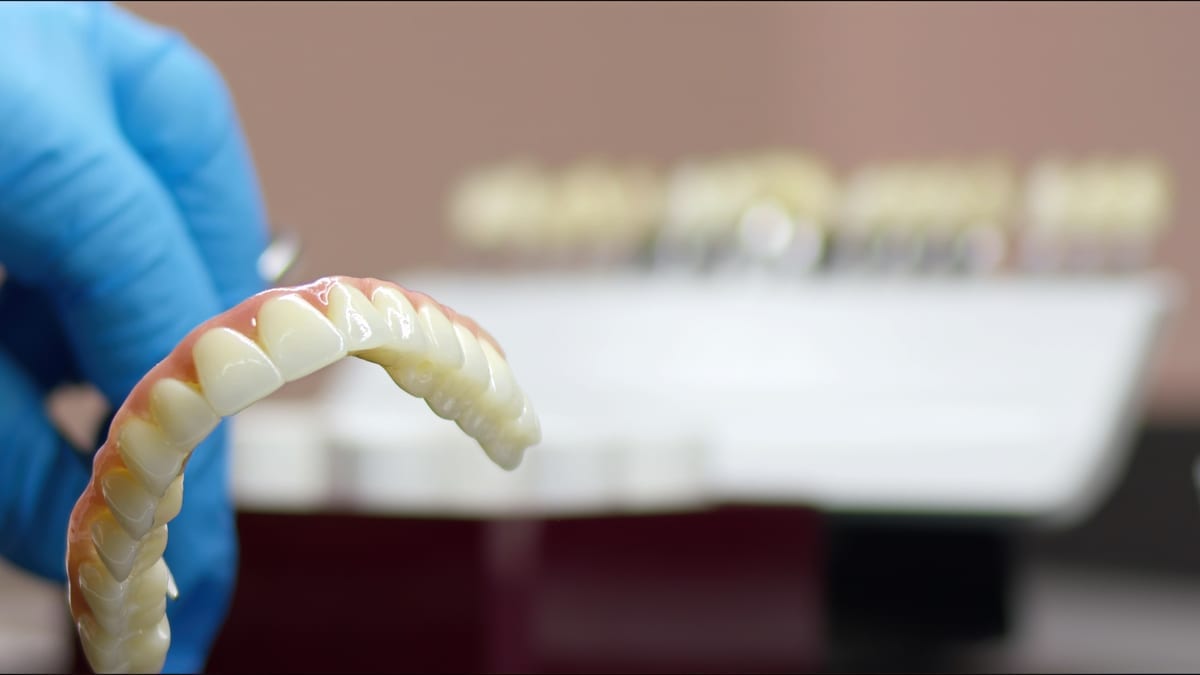
Losing teeth affects more than just your smile. It changes how you eat, speak, and feel about yourself every day. If you live in Uptown and you’re exploring tooth replacement, you’ve likely asked: full vs partial vs implant dentures — which one is right for you? Each option works differently, suits different patients, and involves a unique process. Understanding those differences helps you make a confident, informed decision with your dentist.
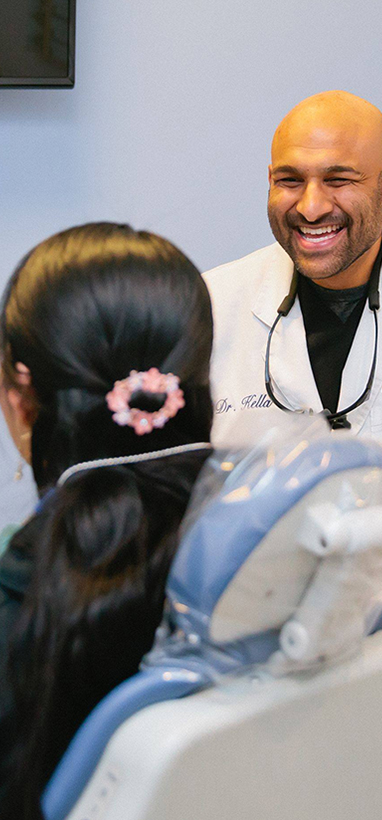
At Lakeshore Dental Studio of Chicago, Dr. Kapil Kella helps patients find the right fit based on their oral health, lifestyle, and long-term goals. This guide walks you through all three options clearly and honestly.
What Are Full Dentures and Who Needs Them?
Full dentures — also called complete dentures — replace an entire arch of teeth. They sit on top of the gum tissue and are held in place by suction and the natural shape of your jaw. They are a removable appliance that you take out at night for cleaning.
Full dentures are best suited for patients who have lost all their teeth in the upper jaw, lower jaw, or both. They are also an option when remaining teeth are too damaged or unhealthy to save. Your dentist will typically extract any remaining teeth before fitting full dentures.
The process involves several appointments. First, your dentist takes impressions of your gums. Then custom dentures are fabricated in a dental lab. Once delivered, minor adjustments may be needed for a comfortable fit. Many patients adjust well within a few weeks.
- Replaces a full arch of missing teeth
- Removable for easy nighttime cleaning
- No surgery required for traditional full dentures
- Affordable compared to implant-supported options
- Available as immediate or conventional dentures
How Partial Dentures Work in Uptown — And Who They Help
Partial dentures fill the gaps left by several missing teeth. Unlike full dentures, they are designed for patients who still have some healthy natural teeth remaining. The appliance uses metal clasps or a gum-colored framework to attach to existing teeth.
Partials are a practical solution when tooth loss is scattered across your arch. They restore chewing function and prevent remaining teeth from shifting into open spaces. Tooth shifting can lead to bite problems and jawbone deterioration over time.
Getting partial dentures typically takes two to five appointments. Your dentist takes impressions and measurements. The lab creates a custom appliance that fits around your natural teeth. After delivery, follow-up adjustments are common and normal.
Patients who benefit most from partial dentures include those with multiple missing teeth in non-consecutive positions, those who are not candidates for dental implants, and those looking for a removable, budget-conscious option. Good Preventive Dentistry habits — like regular cleanings and checkups — help extend the life of your partial denture significantly.
- Works around existing healthy teeth
- Prevents neighboring teeth from drifting
- Easier to adjust or repair than full dentures
- Restores natural-looking appearance quickly
- Removable for cleaning and maintenance
Implant-Supported Dentures — The Permanent Alternative
Implant-supported dentures combine the stability of dental implants with the coverage of dentures. Small titanium posts are surgically placed into the jawbone. The denture then snaps or screws onto these posts for a secure, stable fit.
This option is ideal for patients who want maximum stability without worrying about slipping. It is also an excellent choice for those who have experienced significant jawbone loss. The implants actually stimulate the bone and help preserve jaw structure over time.
The process takes longer than traditional dentures. It typically involves a surgical phase, a healing period of several months, and then the placement of the final denture. The overall timeline can range from a few months to over a year depending on bone grafting needs.
Despite the longer timeline, many patients find implant-supported dentures worth the investment. They feel more like natural teeth. They allow you to eat a wider variety of foods. They also tend to require less maintenance over the long run.
Comparing Your Options — Key Differences to Know
Choosing between full, partial, and implant-supported dentures depends on several personal factors. These include how many teeth you’ve lost, your jawbone health, your overall medical history, and your budget and lifestyle preferences.
Here is a straightforward comparison to help clarify which option may fit your situation:
- Full dentures: Best for total tooth loss — removable, no surgery, requires adjustment period
- Partial dentures: Best when healthy teeth remain — removable, clasps onto existing teeth, less invasive
- Implant dentures: Best for stability and bone preservation — surgical placement, longest timeline, most natural feel
Dr. Kella evaluates each patient individually. He considers X-rays, bone density, and your overall oral health before recommending a path. No single option works best for everyone.
If you experience a sudden dental issue during this decision-making period, Emergency Dentistry In Chicago is available at Lakeshore Dental Studio to address urgent concerns quickly.
What to Expect at Your Denture Consultation in Uptown
Your first step is scheduling a consultation with Dr. Kella. During this visit, he will perform a thorough oral exam and take diagnostic X-rays. He will review your dental and medical history. Then he will walk you through which options are clinically suitable for you.
You will have time to ask questions and discuss concerns. Dr. Kella and the team take a conversational approach — they explain options clearly without pressure. You leave the consultation with a clear picture of your treatment path and timeline.
Many patients feel a sense of relief after this first appointment. They realize the process is manageable. Having a trusted local dentist in Uptown who listens makes a meaningful difference in the experience.
Frequently Asked Questions
How long do dentures typically last?
Traditional full and partial dentures usually last between five and ten years with proper care. Implant-supported dentures can last much longer — often 15 to 20 years or more — because the implants help preserve the jawbone structure beneath them. Regular checkups help extend the lifespan of any denture.
Are dentures painful to wear?
New dentures may cause mild soreness or irritation during the adjustment period. This is normal and typically fades within a few weeks. If pain persists or is severe, contact your dentist for an adjustment. Implant-supported dentures generally cause less long-term discomfort because they do not shift on the gum tissue.
Can I eat normally with dentures?
Yes, but there is an adjustment period — especially with full dentures. Start with soft foods and cut items into smaller pieces. Over time, most patients regain comfortable chewing function. Implant-supported dentures allow for the widest range of foods because they are anchored directly into the jaw.
How do I clean my dentures?
Remove your dentures nightly and rinse them thoroughly. Brush them gently with a soft denture brush and a non-abrasive cleanser. Soak them overnight in a denture solution to prevent drying and warping. Always rinse before placing them back in your mouth. Your dentist will provide specific care instructions at your appointment.
Do I need dental implants to get dentures?
No — traditional full and partial dentures do not require implants. However, implant-supported dentures offer greater stability and bone preservation. Whether implants are right for you depends on your jawbone health and overall medical suitability. Dr. Kella will assess this during your consultation and present all options available to you.
Ready to take the next step toward restoring your smile and confidence? Dr. Kapil Kella and the team at Lakeshore Dental Studio of Chicago are here to guide Uptown patients through every option with care and clarity. Book Now to schedule your appointment with our team.