5505 N. Clark Street Chicago, IL 60640



Is Your Tooth Pain Telling You Something About a Root Canal

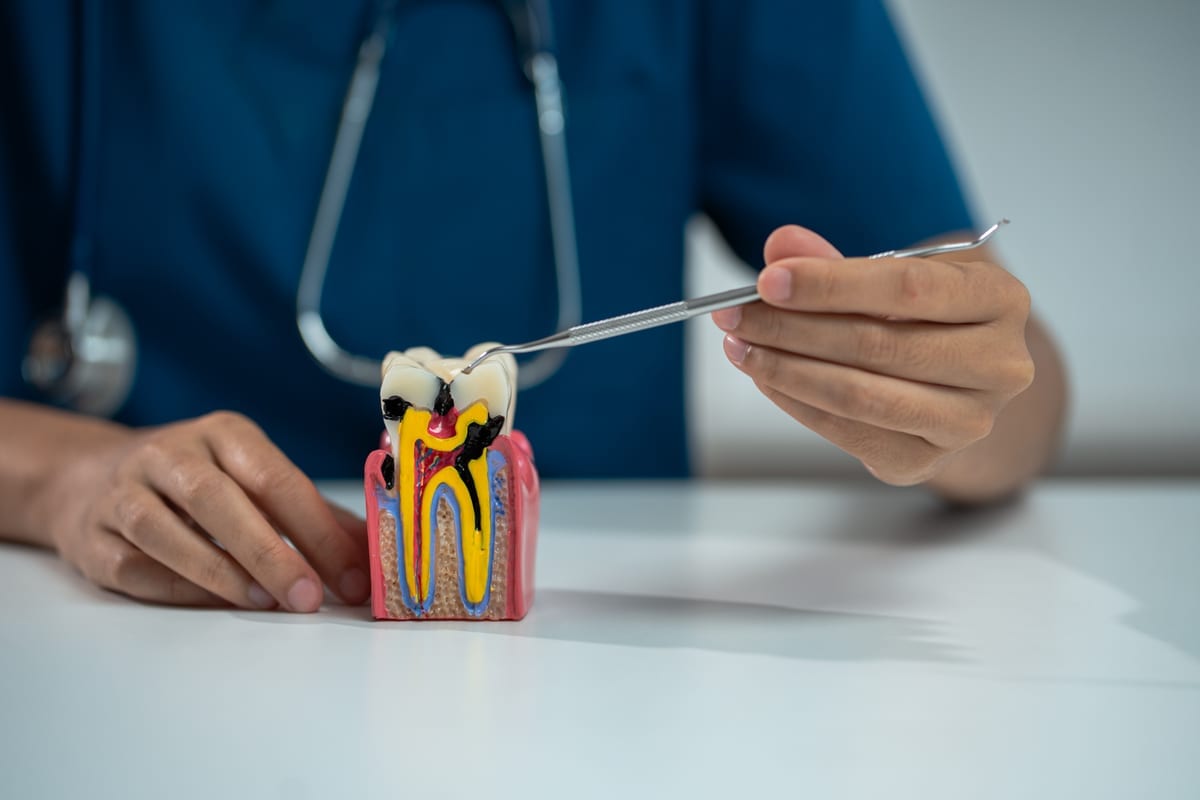
That nagging tooth pain might feel minor at first. But sometimes, it is your body sending a serious warning signal. Many Chicago residents wonder whether their tooth pain is telling them something about a root canal. Understanding the signs early can protect your tooth and save you from a much bigger problem later.
At Lakeshore Dental Studio of Chicago, Dr. Kapil Kella helps patients recognize when a root canal is needed. Acting quickly leads to better outcomes and less discomfort overall. This guide will walk you through the key symptoms, the risks of waiting, and what the procedure actually involves.
Common Symptoms That May Signal a Root Canal in Chicago
Not every toothache points to a root canal. However, certain symptoms should never be ignored. These signs often indicate that the inner pulp of your tooth is infected or inflamed.
Here are the most common warning signs to watch for:
- Persistent, throbbing tooth pain that does not go away on its own
- Prolonged sensitivity to hot or cold temperatures, even after the source is removed
- Darkening or discoloration of the affected tooth
- Swollen, tender gums near the painful tooth
- A pimple-like bump on the gum, sometimes called a dental abscess
- Pain when chewing or applying pressure to the tooth
These symptoms suggest the nerve inside your tooth may be damaged or infected. Each one is your body asking for professional attention. Ignoring them rarely leads to the pain resolving itself.
Why Waiting Makes Everything Worse
Many patients delay seeking care because they hope the pain will fade. Unfortunately, dental infections do not heal on their own. The bacteria causing the infection continue to spread with every passing day.
When an infected tooth goes untreated, the consequences escalate quickly. The infection can spread to surrounding teeth and jawbone. In severe cases, it can enter the bloodstream and affect your overall health. What starts as a manageable root canal can become a tooth extraction if you wait too long.
Pain that temporarily subsides does not mean the problem is gone. Sometimes, a dying nerve stops sending pain signals. That may feel like relief, but the infection is still active beneath the surface. Prompt evaluation by Dr. Kapil Kella can prevent this from reaching a critical stage.
If your pain is sudden and severe, you may need Emergency Dentistry In Chicago Chicago right away. Do not wait for a routine appointment when symptoms are acute. Fast action protects the tooth and reduces treatment complexity.
What Happens During a Root Canal Procedure
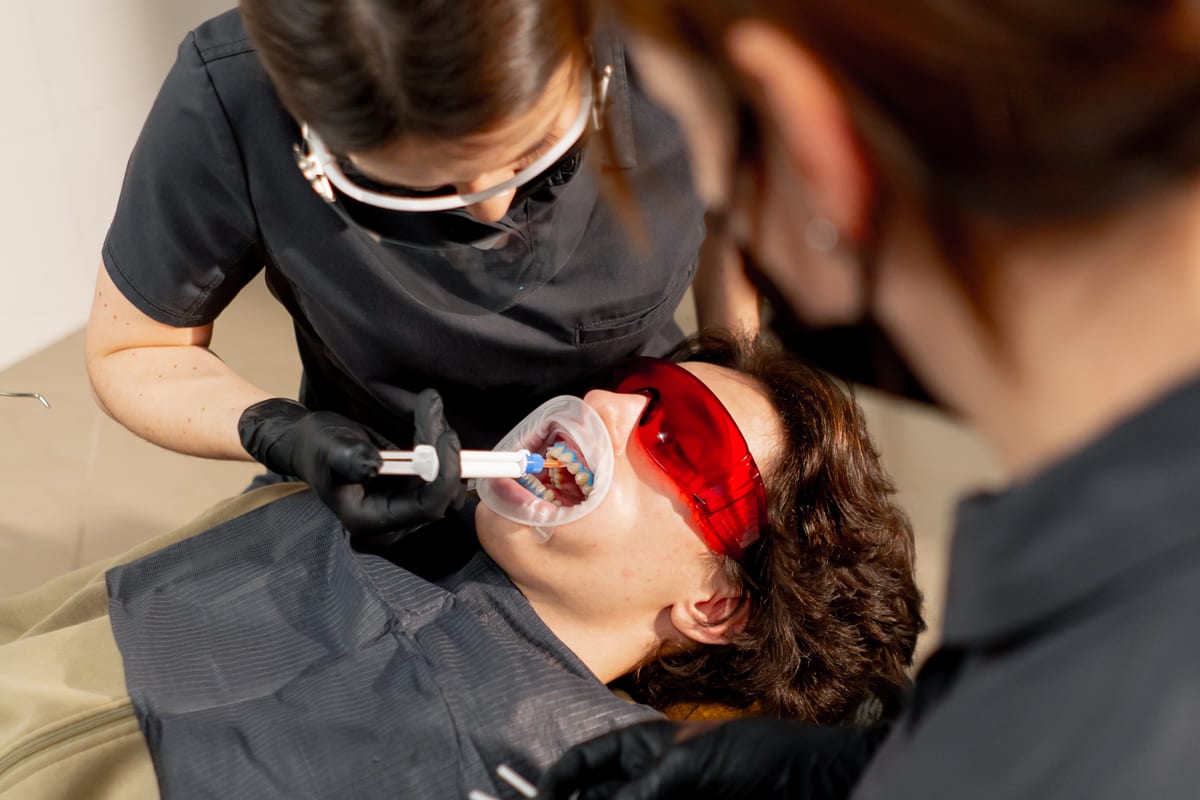
Many people fear root canals because of outdated myths. In reality, modern root canal treatment is no more uncomfortable than getting a standard filling. Local anesthesia numbs the area completely before treatment begins.
Here is what you can expect during the procedure at Lakeshore Dental Studio:
- Examination and X-rays — Dr. Kella assesses the extent of the infection using digital imaging.
- Local anesthesia — The area is fully numbed so you feel minimal discomfort.
- Pulp removal — The infected pulp tissue is carefully removed from inside the tooth.
- Cleaning and shaping — The root canals are cleaned, shaped, and disinfected.
- Sealing the tooth — The canals are filled and sealed to prevent future infection.
- Crown placement — A dental crown is typically placed to restore function and protect the tooth.
The entire process usually takes one to two visits. Most patients are surprised by how manageable the experience feels. Recovery is also quicker than many people expect.
For patients who feel anxious about dental procedures, sedation options are available at our Chicago practice. Dr. Kella and his team prioritize your comfort throughout every step. You will never feel rushed or unsupported during treatment.
How Root Canal Treatment Connects to Your Long-Term Oral Health
A root canal does more than relieve pain. It saves a natural tooth that might otherwise need extraction. Keeping your natural teeth is always the preferred outcome for long-term oral health.
Losing a tooth creates a chain reaction of problems. Adjacent teeth can shift into the gap. Bone loss may begin in the jaw where the tooth was removed. Replacing a lost tooth with implants or dentures is significantly more involved than treating the original infection.
Routine Preventive Dentistry Chicago visits help catch problems before they reach the root canal stage. Regular checkups and cleanings give Dr. Kella the opportunity to spot early decay or infection. Prevention is always more affordable and less stressful than emergency treatment.
Maintaining your natural smile supports chewing function, speech, and facial structure. Root canal treatment, when performed early, preserves all of these benefits. Think of it as an investment in the health you already have.
When to Contact Dr. Kapil Kella in Chicago
You should not wait until the pain becomes unbearable to seek care. Any of the symptoms listed earlier warrants a prompt dental evaluation. Early diagnosis gives you more treatment options and better results.
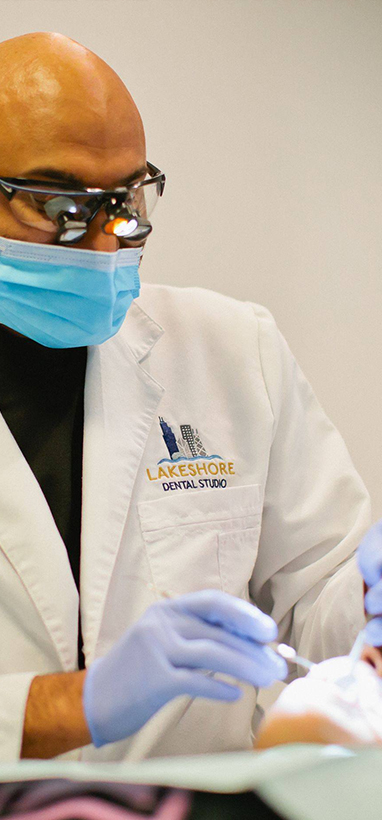
Dr. Kapil Kella at Lakeshore Dental Studio of Chicago has extensive experience diagnosing and treating root canal infections. His approach combines clinical expertise with genuine compassion for his patients. Chicago residents trust his practice for both routine and complex dental needs.
If your tooth pain is telling you something, take it seriously. Is your tooth pain telling you something about a root canal in Chicago? The answer could mean the difference between saving your tooth and losing it. Do not let delayed care turn a treatable problem into an irreversible one.
The team at Lakeshore Dental Studio is ready to help you get the relief you deserve. Book Now to schedule your appointment with our team.
Frequently Asked Questions
How do I know if I need a root canal or just a filling?
A filling addresses surface-level decay. A root canal is needed when infection or damage reaches the inner pulp of the tooth. Symptoms like severe pain, prolonged sensitivity, and gum swelling usually indicate a deeper problem. Only a dental examination and X-rays can confirm the diagnosis.
Is a root canal procedure painful?
Modern root canal treatment is performed under local anesthesia, so most patients feel little to no pain during the procedure. Mild soreness may occur afterward and typically resolves within a few days. Many patients report that the procedure feels similar to getting a routine filling.
What happens if I ignore tooth pain and skip treatment?
Ignoring an infected tooth allows bacteria to spread to surrounding structures. This can lead to abscess formation, bone loss, and even systemic infection in severe cases. The longer you wait, the more complex and costly treatment becomes. Acting early preserves your tooth and protects your overall health.
How long does recovery take after a root canal?
Most patients recover within a few days after a root canal procedure. Over-the-counter pain relief is usually sufficient to manage any post-treatment discomfort. Avoiding hard or crunchy foods for a short period helps the area heal. Dr. Kella will provide personalized aftercare instructions based on your specific situation.
Can children need root canals too?
Yes, children can develop infected teeth that require root canal treatment. Pediatric root canal procedures, sometimes called pulpotomies, address infection in baby teeth. Treating these infections is important because untreated decay can affect the development of permanent teeth. Dr. Kella offers compassionate pediatric dental care for younger patients at Lakeshore Dental Studio.