5505 N. Clark Street Chicago, IL 60640



Modern Dentures in Chicago, IL

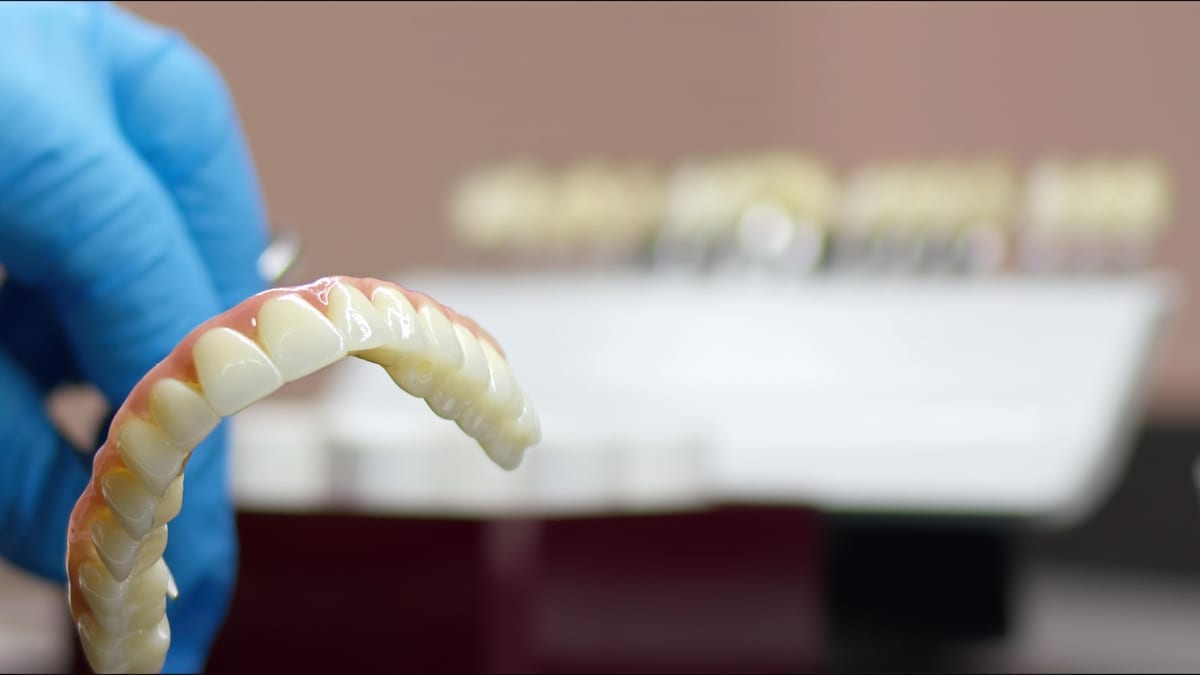
If you grew up watching a grandparent drop their teeth into a glass of water overnight, you probably have strong feelings about dentures. Many Uptown patients walk into our office with those same decades-old images in their heads. But modern dentures look nothing like your grandma’s in Uptown — and that changes everything. Today’s solutions are more comfortable, more natural-looking, and more durable than anything available a generation ago.
Why Modern Dentures Look Nothing Like Your Grandma’s Uptown Options
The dentures of the past were made from acrylic materials that often looked thick and unnatural. They frequently shifted while eating or speaking, causing embarrassment and discomfort. Older dentures also wore down quickly and required constant adhesive to stay in place. That experience understandably left a lasting — and negative — impression.
Today’s materials and fabrication methods are completely different. Digital imaging and computer-aided design allow for incredibly precise fittings. Modern acrylic and resin composites mimic the translucency of real teeth. The result is a restoration that looks, feels, and functions far closer to natural teeth.
Better Materials Mean Better Results for Uptown Patients
One of the biggest changes in modern dentures is the quality of the materials used. High-density acrylic resins resist chipping and staining far better than older versions. Flexible partial dentures use materials that bend gently with your mouth’s natural movement. This flexibility reduces sore spots and pressure on your gums.
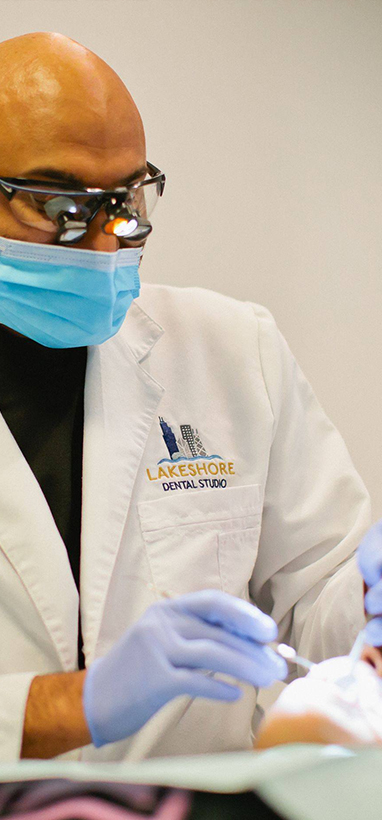
Modern denture teeth are also designed to closely replicate natural tooth shade and texture. Each tooth is individually shaped and colored to match your existing teeth or desired appearance. Dr. Kapil Kella at Lakeshore Dental Studio of Chicago takes time to customize every restoration. The goal is always a result that looks completely natural in your smile.
- High-density resins resist cracking and staining longer
- Flexible partials reduce gum irritation and pressure points
- Individually shaded teeth match your natural smile tone
- Digitally designed bases ensure a more precise, stable fit
Precision Fit Technology Has Transformed the Experience
A poor fit was the number one complaint about older dentures. Slipping, clicking, and falling out mid-conversation were embarrassingly common problems. Modern dentistry uses digital scanning and 3D modeling to eliminate most of those fit issues. Your denture is engineered to match the exact contours of your mouth.
At Lakeshore Dental Studio of Chicago, impressions are taken with precision tools to capture every detail. The fit is refined through multiple try-in appointments before final delivery. This process ensures your denture stays in place while eating, laughing, and speaking. Most patients are genuinely surprised by how secure a well-made modern denture feels.
Proper fit also protects your oral health over time. A denture that sits correctly puts even pressure on the gum ridge. This reduces bone loss and keeps surrounding tissues healthier. Maintaining that health is a cornerstone of good Preventive Dentistry practice.
Implant-Supported Dentures: The Biggest Game-Changer
If you want the absolute closest thing to natural teeth, implant-supported dentures are worth knowing about. These restorations attach to dental implants surgically placed in the jawbone. They don’t rely on adhesives or suction — they click securely into place. That means zero slipping and dramatically improved chewing ability.
Implant-supported options also help preserve your jawbone. Traditional dentures sit on top of the gums and allow bone to gradually shrink away. Implants stimulate the bone just like natural tooth roots do. Over time, this preserves the shape of your face and the fit of your restoration.
- No adhesives needed — implants hold everything in place
- Stronger bite force for eating a wider variety of foods
- Bone stimulation prevents the sunken facial appearance of bone loss
- Removable or fixed options are available based on your needs
- Long-term investment that can last decades with proper care
Dr. Kapil Kella evaluates each patient individually to determine the best implant-supported solution. Not everyone is an immediate candidate, but bone grafting can often make implants possible. A thorough consultation is the best first step to understanding your options.
What to Expect During Your Denture Consultation in Uptown
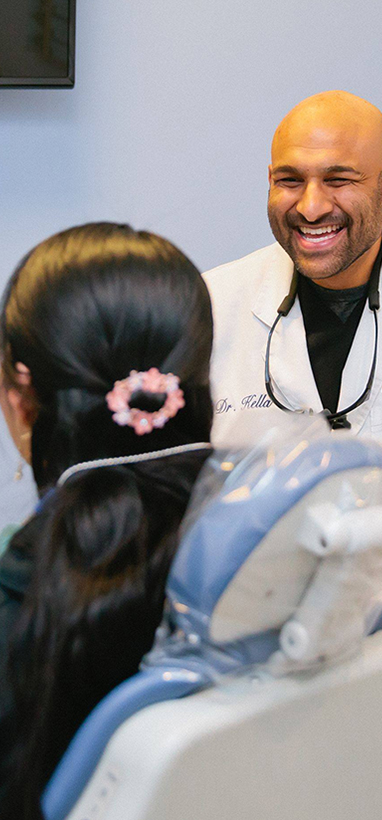
Many patients feel nervous about starting the denture process. That anxiety is completely understandable, especially with older memories in mind. At Lakeshore Dental Studio of Chicago, the process is designed to be calm, clear, and patient-centered. Dr. Kella walks you through every step before anything begins.
Your first visit includes a comprehensive exam of your existing teeth, gums, and bone structure. Digital X-rays help assess bone density and overall oral health. From there, Dr. Kella discusses which type of denture best fits your needs and goals. You’ll leave with a clear roadmap — never guessing what comes next.
Some patients need extractions before dentures can be placed. If a dental emergency arises during this process, Lakeshore Dental Studio also offers Emergency Dentistry In Chicago to handle urgent concerns without delay. Your care never has to stop due to an unexpected problem.
Caring for Your Modern Dentures Over Time
Modern dentures are durable, but they still require daily care to last. Remove and rinse them after every meal to prevent food buildup. Brush them gently each night with a soft-bristle brush and denture cleaner. Never use regular toothpaste — it is too abrasive and can cause tiny scratches that harbor bacteria.
Soak your dentures overnight in a denture solution or plain water. This keeps them from warping or drying out. Bring them to every dental visit so Dr. Kella can check the fit and condition. Small adjustments made early prevent bigger problems down the road.
Conclusion: Your Smile Deserves a Modern Solution
The outdated image of dentures — wobbly, plastic, and obvious — simply no longer applies. Modern dentures look nothing like your grandma’s in Uptown, and patients are discovering that the experience today is vastly different. Better materials, precision fit, and implant-supported technology have transformed what dentures can do. If tooth loss has been weighing on you, now is a great time to explore your options with a team that truly listens. Book Now to schedule your appointment with our team.
Frequently Asked Questions
How long do modern dentures typically last?
With proper care, modern dentures generally last between seven and ten years. Over time, changes in your jaw shape may require refitting or replacement. Regular dental checkups help Dr. Kella monitor fit and condition so adjustments can be made early.
Do modern dentures feel uncomfortable to wear all day?
Most patients experience a short adjustment period of a few weeks. Modern dentures are custom-fitted using digital precision, which greatly reduces discomfort compared to older designs. Any persistent sore spots can usually be resolved with a simple adjustment at our office.
Can I eat normally with dentures?
Yes, most patients eat a wide variety of foods with well-fitted modern dentures. Implant-supported dentures provide even stronger bite force, closer to that of natural teeth. Starting with softer foods and gradually introducing harder items helps your mouth adapt comfortably.
What is the difference between full and partial dentures?
Full dentures replace an entire arch of missing teeth — either upper, lower, or both. Partial dentures fill in gaps when some natural teeth still remain. Dr. Kapil Kella will recommend the right type based on your specific oral health situation and goals.
Are implant-supported dentures a better option than traditional ones?
Implant-supported dentures offer superior stability, bone preservation, and chewing function compared to traditional options. They eliminate the need for adhesives and help maintain your facial structure over time. Whether they are right for you depends on your bone density and overall oral health, which Dr. Kella evaluates during your consultation.