5505 N. Clark Street Chicago, IL 60640



Sedation Dentistry in Chicago, IL


Many Chicago patients leave their sedation dentistry appointments feeling relieved and refreshed. The treatment feels smooth, and results look great. But what happens between visits matters just as much as the appointment itself. Understanding how to make your sedation dentistry results last longer when you do this between visits in Chicago can truly change your long-term oral health journey.
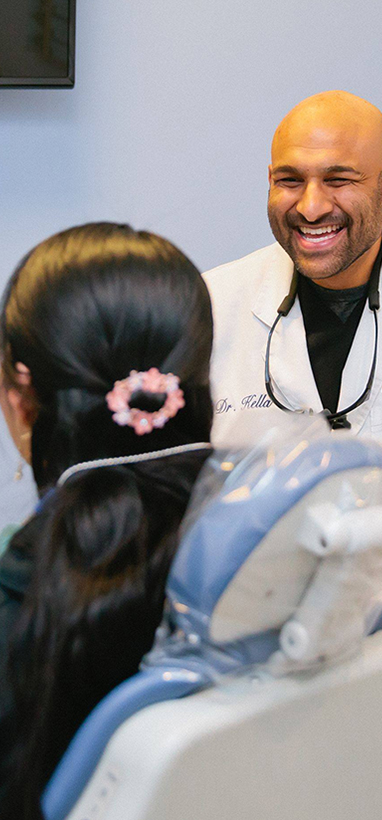
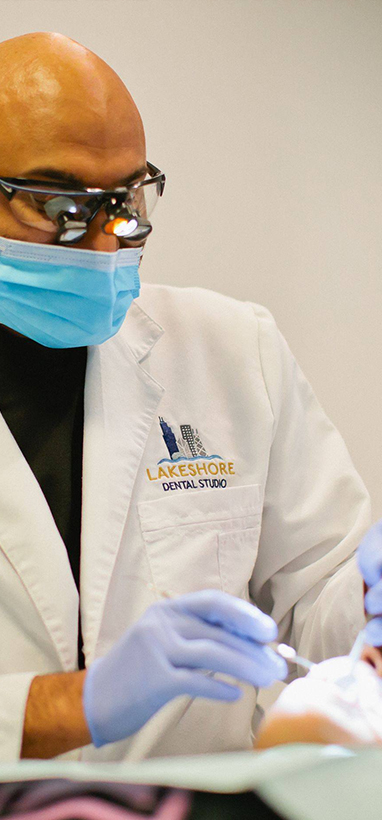
Dr. Kapil Kella at Lakeshore Dental Studio of Chicago sees this every day. Patients who follow the right between-visit habits protect their results far longer. Those who do not often return sooner than expected. The good news is that the right habits are simple and highly effective.
Why Between-Visit Care Matters for Sedation Dentistry Results in Chicago
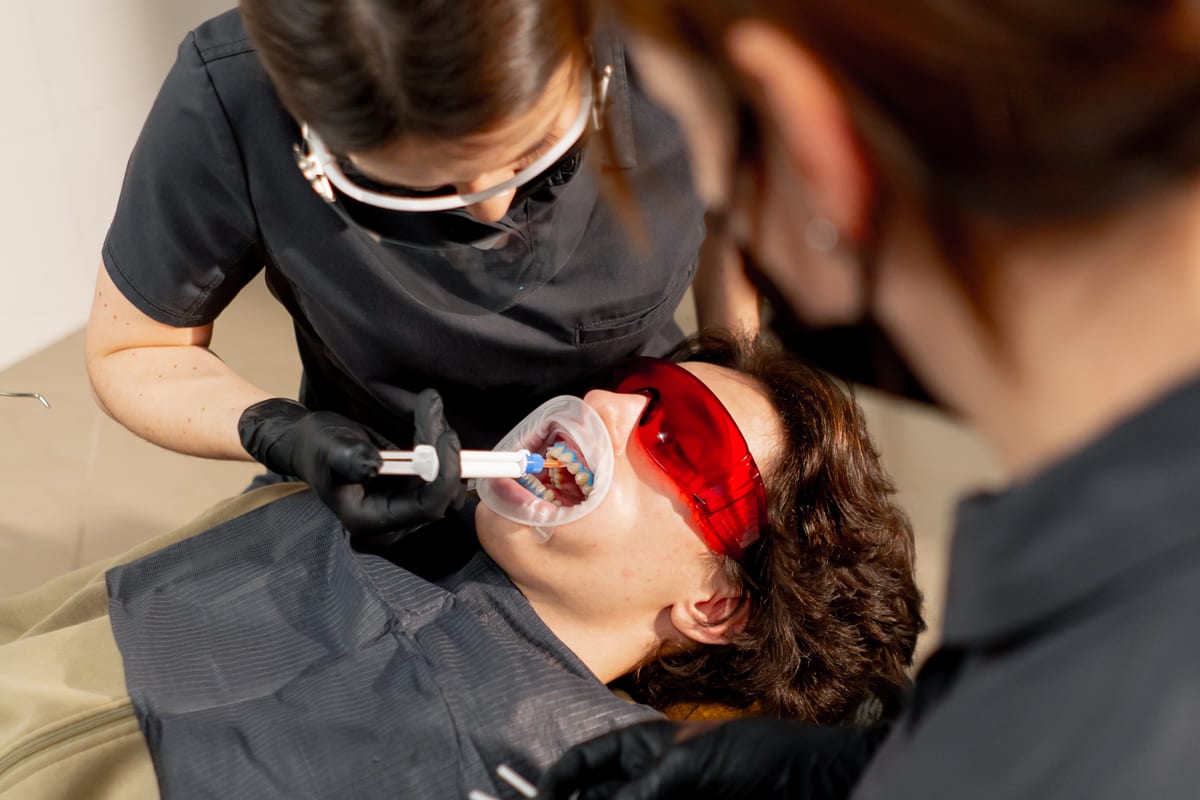
Sedation dentistry helps anxious patients complete important dental work comfortably. Treatments done under sedation — like deep cleanings, extractions, or restorations — require proper aftercare. Without it, results can fade faster than they should.
Chicago patients often lead busy lives. It is easy to let good habits slip after an appointment. However, the work your dentist completes during a sedated visit needs daily support at home. Think of your between-visit routine as the foundation that holds your results in place.
Consistent home care also reduces the chances of complications. Inflammation, plaque buildup, and poor nutrition can all undermine professional dental work. Building strong habits right after your visit gives you the best possible outcome.
The Right Brushing and Flossing Technique Protects Your Results
Brushing correctly is one of the most powerful things you can do between visits. Use a soft-bristled toothbrush and gentle circular motions. Avoid scrubbing back and forth aggressively — this irritates gums and weakens enamel over time.
Brush for a full two minutes, twice daily. Pay close attention to the gumline, where bacteria tend to collect. Many patients rush this step, but those extra seconds genuinely matter for protecting dental work.
Flossing is equally important and often overlooked. Floss at least once each day, ideally before bed. Use a gentle C-shape motion around each tooth to remove debris without damaging tissue.
- Use a fluoride toothpaste recommended by your dentist
- Replace your toothbrush every three months
- Consider an electric toothbrush for more consistent cleaning
- Use waxed floss if your teeth are tightly spaced
- Try a water flosser if traditional flossing is uncomfortable
These small choices add up over time. Patients who commit to this routine protect their sedation dentistry results far longer between visits in Chicago.
Diet Adjustments That Help Dental Work Last Longer
What you eat directly affects how long your dental results last. Sugary and acidic foods feed the bacteria that break down enamel and irritate gums. Cutting back on these foods is one of the best things you can do between appointments.
Hard or crunchy foods can also stress dental restorations. Biting into hard candy or ice can chip crowns, crack fillings, or damage other work completed during your sedated visit. It is worth being mindful of textures, especially right after treatment.
Instead, focus on a diet that supports oral health. Foods rich in calcium and vitamins strengthen teeth and support gum tissue naturally.
- Dairy products like yogurt and cheese build strong enamel
- Leafy greens provide vitamins that support gum health
- Crunchy vegetables like carrots stimulate saliva production
- Water helps rinse away bacteria and food particles throughout the day
- Lean proteins support tissue healing after dental procedures
Staying hydrated is especially important. Dry mouth encourages bacterial growth, which threatens your dental results. Drink water consistently throughout the day for the best outcome.
Recommended Products to Use Between Dental Visits
The right products make a noticeable difference in how well your results hold up. Your dentist may recommend specific products based on the work completed during your sedation visit. Always follow those personalized recommendations first.
Antimicrobial mouthwash is a great addition to your daily routine. It reduces harmful bacteria that brushing and flossing alone may miss. Use it after brushing for best results, and choose an alcohol-free formula if you have sensitive tissues.
Fluoride rinses add an extra layer of enamel protection. They are especially helpful if you had restorative work done. Ask Dr. Kella which strength is appropriate for your specific needs.
Tongue scrapers also help reduce bacterial load in the mouth. Many patients overlook the tongue entirely. Using a scraper each morning removes bacteria before they can spread to teeth and gums.
Staying Connected to Your Dental Team Between Visits
Good home care is essential, but it works best alongside regular professional support. Schedule your follow-up appointments as recommended. Dr. Kella and the Lakeshore Dental Studio team track your progress and catch small issues before they grow.
If you experience sudden pain or swelling between visits, do not wait. That could signal a complication that needs prompt attention. Emergency Dentistry In Chicago is available to help you address urgent concerns quickly and safely.
Routine check-ups are part of a strong Preventive Dentistry plan. These visits allow your dentist to professionally clean areas that home care cannot fully reach. Combining great home habits with professional care gives you the strongest results possible.
Staying communicative with your dental team also helps manage anxiety for future visits. Patients who feel supported between appointments tend to return more consistently. That consistency is what truly makes sedation dentistry results last longer when you commit to care between visits in Chicago.
Conclusion: Small Habits, Lasting Results
Your sedation dentistry results do not end when you leave the dental chair. They continue at home, every single day. The brushing technique you use, the foods you choose, and the products in your cabinet all play a real role in protecting your smile. Dr. Kapil Kella and the team at Lakeshore Dental Studio of Chicago are here to guide you every step of the way. Book Now to schedule your appointment with our team.
Frequently Asked Questions
How soon after sedation dentistry should I start my home care routine?
You can typically resume gentle brushing and flossing within 24 hours of your sedation dentistry appointment. Your dentist will give you specific guidance based on the procedures completed. Always follow the post-visit instructions provided by Dr. Kella before resuming your normal routine.
Can diet really affect how long my dental work lasts?
Yes, absolutely. Sugary and acidic foods accelerate enamel erosion and can damage restorations over time. Hard foods can physically stress crowns and fillings. A balanced, tooth-friendly diet supports the longevity of any dental work completed during your visit.
What type of toothbrush works best for protecting dental restorations?
A soft-bristled toothbrush is generally the safest choice for patients with restorations or sensitive gums. Electric toothbrushes can also be very effective when used correctly. Your dentist can recommend the best option based on your specific treatment history.
How often should I visit the dentist after a sedation dentistry procedure?
Most patients benefit from check-ups every six months, though your dentist may recommend more frequent visits depending on your treatment. Regular visits allow the team to monitor your results and address any early concerns. Consistent professional care is a key part of making your results last.
What should I do if I experience pain or swelling between visits?
Do not ignore pain or swelling between appointments. These symptoms could indicate an infection or complication that requires prompt care. Contact Lakeshore Dental Studio of Chicago right away, as emergency dental services are available to help you quickly.