5505 N. Clark Street Chicago, IL 60640



Veneers or Bonding: Which Fix Works Best for Your Smile


When something feels off about your smile, it can affect your confidence every day. Maybe you have a chipped front tooth or stubborn staining that whitening can’t fix. If you’re wondering about veneers or bonding — which fix works best for your smile in Chicago — you’re in the right place. Dr. Kapil Kella at Lakeshore Dental Studio of Chicago helps patients make that exact decision every week.
This guide walks you through four common cosmetic concerns. We’ll match each one to the treatment that delivers the best results. By the end, you’ll know exactly which option fits your situation.
Understanding Your Options: Veneers, Bonding, Whitening, and Contouring
Before we dive into specific concerns, let’s quickly define each treatment. Each one serves a different purpose, and choosing the wrong one wastes time and money.
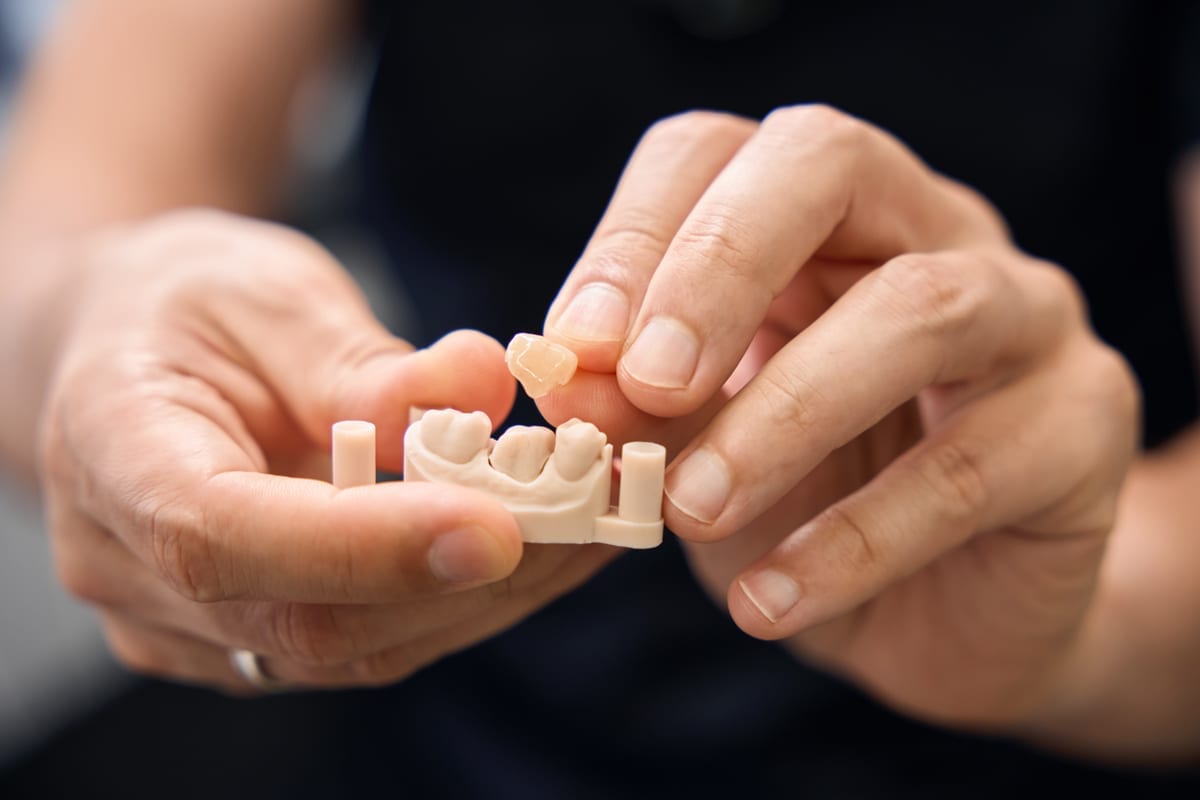
- Dental veneers — thin porcelain or composite shells bonded to the front of your teeth
- Dental bonding — tooth-colored resin applied and sculpted directly onto the tooth
- Teeth whitening — a bleaching process that removes surface and deep stains
- Tooth contouring — gentle reshaping of enamel to smooth uneven or rough edges
Each treatment has strengths and limitations. The right choice depends on what’s bothering you most. Let’s look at the most common concerns Chicago patients bring to our office.
Chips and Cracks: When Bonding Beats Veneers in Chicago
A chipped tooth is one of the most common cosmetic complaints we see. It often happens from biting something hard or taking a minor hit to the face. For small to medium chips, dental bonding is usually the best first step.
Bonding is fast, affordable, and requires no enamel removal. Your dentist applies resin directly to the chipped area and shapes it to match your natural tooth. The entire process typically takes under an hour per tooth.
Veneers work well for chips too, but they require some enamel reduction. That makes them a permanent commitment. If the chip is minor, bonding gives you a natural result without the long-term trade-off.
However, if the chip is large or the tooth has old bonding that keeps breaking, veneers offer more durability. Porcelain veneers resist chips and stains far better over the long run. Dr. Kella will examine the size and location of the damage before recommending either option.
Gaps and Spacing Issues: Which Treatment Closes the Space?
Small gaps between teeth — especially the two front teeth — are a common concern. Several treatments can address this, but the best choice depends on the size of the gap.
For minor gaps, dental bonding works beautifully. Your dentist adds resin to the sides of adjacent teeth to close the space. It’s a conservative approach that preserves your natural tooth structure.
Wider gaps often respond better to veneers. A set of veneers across the front teeth can dramatically reshape and balance your smile. They also correct uneven sizing between teeth at the same time.
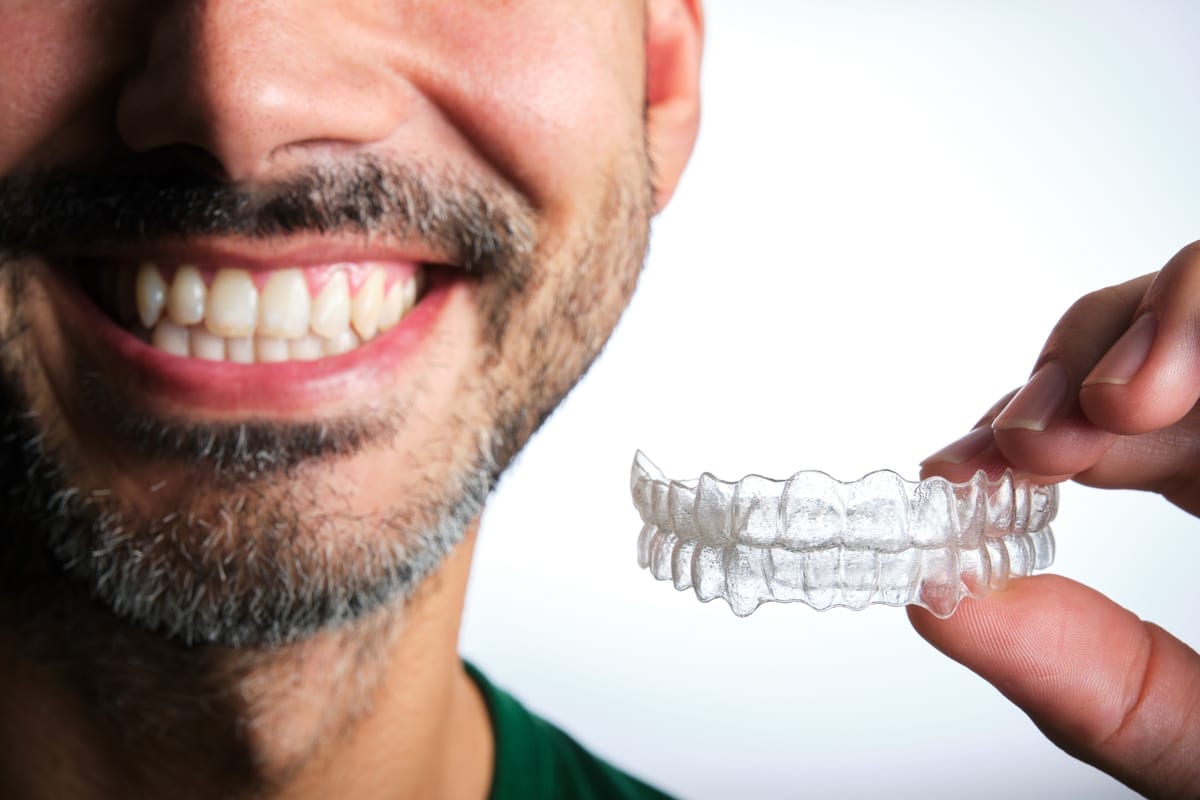
Invisalign is worth mentioning here as well. If your gap stems from spacing issues throughout your bite, orthodontic treatment may be the most appropriate long-term fix. Dr. Kella will help you determine whether a cosmetic fix or an orthodontic solution fits your situation best.
Stubborn Staining: Whitening First, Then Bonding or Veneers
Not all stains respond to whitening treatments. Surface stains from coffee or wine usually lift well with professional whitening. But intrinsic stains — those deep inside the tooth — often don’t respond the same way.
Intrinsic staining can come from medications, fluorosis, or old trauma to the tooth. Whitening gels cannot always penetrate deep enough to address these. This is where veneers or bonding become valuable options.
Bonding can mask mild to moderate intrinsic staining quickly. Your dentist covers the discolored surface with matched resin. The result looks natural and brightens the tooth noticeably.
Veneers offer a more complete solution for severe or widespread staining. Because porcelain is highly resistant to future staining, many patients find veneers to be the better long-term investment. Before choosing either, Dr. Kella typically recommends a professional whitening session first to establish your ideal baseline shade.
Worn or Uneven Edges: When Contouring Is All You Need
Many patients assume they need veneers or bonding for worn tooth edges. But sometimes, a simple contouring procedure does the job beautifully. Contouring removes tiny amounts of enamel to smooth rough spots or even out jagged edges.
It’s one of the most conservative treatments in cosmetic dentistry. There’s no anesthesia needed in most cases, and results are immediate. If your concern is purely about shape rather than color or chips, contouring alone may resolve it.
For more significant wear — caused by grinding, for example — bonding can rebuild lost tooth structure. This restores both appearance and function at the same time. Veneers are an excellent choice when wear affects multiple teeth and you want a uniform, long-lasting result.
- Minor rough edges → tooth contouring
- Moderate wear or chips → dental bonding
- Significant or widespread wear → porcelain veneers
- Grinding-related wear → bonding plus a night guard to protect your investment
Dr. Kella always considers both aesthetics and function when recommending treatment. A beautiful smile also needs to work properly and last for years.
How Dr. Kapil Kella Approaches Your Smile Consultation in Chicago
Choosing between cosmetic treatments is rarely a one-size-fits-all decision. Dr. Kella takes time to review your dental history, examine your teeth, and understand your goals. He explains every option clearly so you can make a confident, informed choice.
Lakeshore Dental Studio of Chicago also offers a full range of services beyond cosmetic care. Whether you need Emergency Dentistry In Chicago Chicago after an unexpected chip or want to build a foundation of good oral health with Preventive Dentistry Chicago, our team is here to support every aspect of your smile.
Our approach is always educational, never pushy. We want you to understand your options so you feel comfortable moving forward. Great cosmetic results start with great communication between patient and dentist.
Conclusion: Making the Right Choice for Your Chicago Smile
Whether you’re dealing with chips, gaps, staining, or worn edges, there is a targeted treatment that fits your concern. Dental bonding works best for quick, conservative fixes. Veneers offer lasting results for more complex or widespread concerns. Whitening and contouring fill important gaps in the treatment spectrum. Understanding which option matches your specific issue saves you time and gives you results you’ll love.
Dr. Kapil Kella and the team at Lakeshore Dental Studio of Chicago are ready to help you figure out exactly what your smile needs. Book Now to schedule your appointment with our team.
Frequently Asked Questions
How long does dental bonding last compared to veneers?
Dental bonding typically lasts five to seven years with proper care. Porcelain veneers generally last ten to fifteen years or longer. Veneers are more durable and stain-resistant, but bonding is a faster and more affordable starting point for minor concerns.
Is dental bonding painful?
Dental bonding is usually painless and requires no anesthesia for minor repairs. Your dentist simply applies resin to the tooth surface and shapes it. If the procedure involves a cavity or a deeper chip, a local anesthetic may be used for comfort.
Can I whiten my teeth after getting veneers or bonding?
Whitening treatments do not change the color of porcelain veneers or bonding resin. If you plan to whiten, it’s best to do so before your cosmetic treatment. That way, your dentist can match the new restoration to your brightest natural shade.
Which treatment is best for closing a gap between front teeth?
For small gaps, dental bonding is a fast and effective option. Larger gaps may benefit more from porcelain veneers or even Invisalign treatment if the spacing issue involves the whole bite. Dr. Kella will evaluate your specific gap size and recommend the most appropriate approach.
How do I know if I need veneers or bonding in Chicago?
The best way to find out is through a professional consultation. Dr. Kapil Kella at Lakeshore Dental Studio of Chicago will assess the size, location, and cause of your cosmetic concern. From there, he’ll recommend the treatment that gives you the most natural, lasting result for your unique smile.